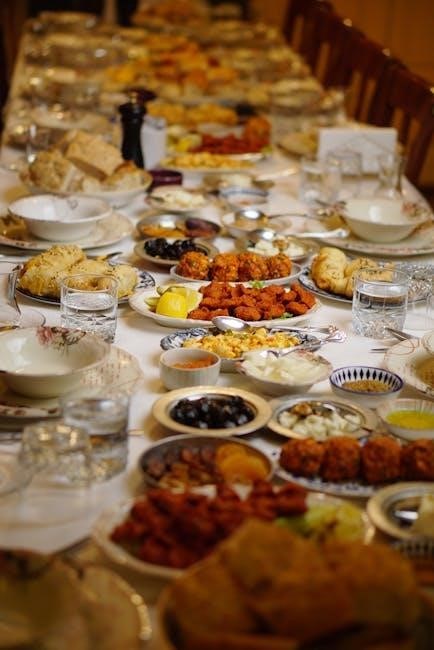
7 feasts of the lord pdf
Delving into the divine appointments outlined in scripture, these feasts reveal God’s redemptive plan, beautifully foreshadowed through ancient Jewish traditions and prophetic timelines.
Historical and Religious Significance
These feasts aren’t merely historical relics; they are deeply interwoven with the fabric of Jewish identity and faith, originating from Leviticus 23. For millennia, they’ve served as pivotal moments for communal worship and remembrance of God’s faithfulness.
The feasts commemorate key events – the Exodus, the giving of the Law, harvest celebrations – and prophetically point towards the Messiah. Understanding their historical context unlocks a richer appreciation for their spiritual depth, revealing God’s consistent character and unfolding plan of redemption throughout history.
The Concept of “Appointed Times” (Moedim)
The Hebrew word Moedim, translated as “appointed times,” signifies more than just scheduled events; it denotes divinely ordained meetings between God and His people. These aren’t human-initiated holidays, but rather invitations to encounter the divine at specific moments in time.
Each feast serves as a Moed, a rehearsal of God’s promises and a foreshadowing of His ultimate plan. They are sacred appointments, revealing His character and offering opportunities for spiritual growth and deeper communion with the Creator.

Passover (Pesach)
Passover commemorates the Exodus, liberating Israel from Egyptian bondage, and powerfully symbolizes redemption through the sacrificial Lamb, foreshadowing Christ’s ultimate sacrifice.
The Exodus Story and its Commemoration
The Passover feast vividly retells the story of Israel’s liberation from centuries of slavery in Egypt. It remembers God’s powerful intervention through ten plagues, culminating in the sparing of the firstborn sons of Israel, protected by the blood of the sacrificial lamb applied to their doorposts.
This pivotal event, orchestrated by God, compelled Pharaoh to release the Israelites, allowing them to begin their journey to the Promised Land. Each element of the Passover Seder—the ceremonial meal—serves as a tangible reminder of this historical deliverance, ensuring the story is passed down through generations, reinforcing faith and gratitude.
The Passover Seder: Rituals and Symbolism
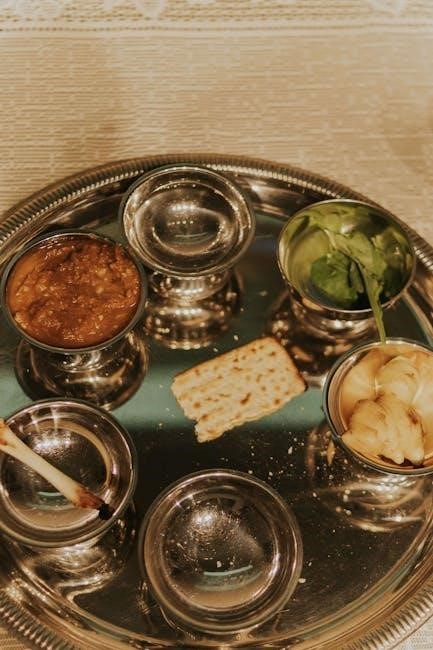
The Passover Seder is a meticulously ordered ritual meal, rich with symbolic elements. Matzah (unleavened bread) represents the haste of the Exodus, while bitter herbs (maror) symbolize the bitterness of slavery. Charoset, a sweet paste, recalls the mortar used by the Israelites in building for Pharaoh.
Four cups of wine are consumed, each representing a promise of redemption. The Seder plate holds these symbolic foods, and the Haggadah guides participants through the retelling of the Exodus story, fostering a communal experience of remembrance and faith.
Connection to Jesus Christ as the Passover Lamb
Jesus Christ is understood by many as the ultimate fulfillment of the Passover lamb sacrifice. Just as the Israelites were spared from death through the blood of the lamb, believers find salvation through Jesus’s sacrificial blood, offered on the cross.
Paul explicitly identifies Christ as “our Passover lamb” (1 Corinthians 5:7), highlighting the direct correlation between the ancient ritual and the New Covenant redemption. His death coincided with Passover, signifying a new Exodus from spiritual bondage.
Unleavened Bread (Chag HaMatzah)
Following Passover, this feast symbolizes purity and holiness, requiring the removal of leaven—representing sin—from homes and lives, fostering spiritual cleansing.
Removing Leaven: A Symbol of Sin
The meticulous search for and removal of chametz (leaven) during Chag HaMatzah is profoundly symbolic. Leaven, in biblical context, consistently represents sin – specifically, the pervasive and corrupting influence of wickedness. This isn’t merely a physical cleaning; it’s a spiritual inventory, a heartfelt examination of one’s life to identify and discard anything that hinders a relationship with God.
Every crumb must be eliminated, mirroring the complete eradication of sinful tendencies. This act of purification prepares the heart to receive God’s blessing and participate fully in the sacred observances of the week-long feast, emphasizing a fresh start and renewed devotion.
The Duration and Observances of the Feast
Chag HaMatzah, the Feast of Unleavened Bread, spans seven days in Israel and eight days outside of Israel. Central to its observance is the complete avoidance of chametz – anything containing wheat, barley, rye, oats, or spelt that has begun to ferment. Matzah, unleavened bread, becomes the staple food, commemorating the Israelites’ hasty departure from Egypt, leaving no time for bread to rise.
Special Seder meals are held, often outside of Israel on the first and seventh evenings, and daily synagogue readings focus on the Exodus narrative, reinforcing the themes of freedom and redemption.
Spiritual Implications of Unleavened Bread
The removal of leaven symbolizes purging sin from our lives, representing a commitment to holiness and spiritual purity. Just as leaven permeates dough, sin can subtly influence our thoughts and actions. This feast calls for self-examination and repentance, a deliberate effort to remove anything that hinders our relationship with God.
Matzah, representing Christ’s broken body, signifies a life sacrificed for our redemption. It’s a reminder to live a life free from the “old leaven” of malice and wickedness, embracing a newness of spirit.
Firstfruits (Bikkurim)
Bikkurim celebrates the initial harvest, a sacred offering acknowledging God’s provision and foreshadowing Jesus’ resurrection as the firstborn from the dead.
Offering the First Harvest
The offering of Bikkurim wasn’t simply about agricultural gratitude; it was a deeply symbolic act. Farmers presented the first and best of their harvest – figs, grapes, pomegranates – to the priest at the Temple in Jerusalem. This ritual acknowledged that all blessings originated from God.
This presentation wasn’t a random act, but a deliberate declaration of dependence on the Lord. It signified a commitment to holiness and a recognition of God’s ownership over all creation. The firstfruits represented the entire harvest, a promise of abundance to come, and a tangible expression of faith.
Resurrection of Jesus as the Firstfruits
The resurrection of Jesus Christ perfectly fulfills the symbolism of the Firstfruits. Paul explicitly identifies Jesus as “the firstfruits of those who have fallen asleep” (1 Corinthians 15:20). Just as the firstfruits were presented to God before the rest of the harvest was gathered, Jesus rose from the dead before believers would experience resurrection.
His resurrection guarantees the future harvest of believers, offering hope and assurance of eternal life. This connection highlights God’s meticulous planning and demonstrates how the Old Testament feasts prophetically foreshadowed the New Testament realities centered in Jesus.
Agricultural and Spiritual Significance
Bikkurim represented gratitude for the land’s bounty and acknowledged God as the source of provision. Agriculturally, it marked the beginning of the barley harvest in Israel, a time of anticipation for a plentiful yield. Spiritually, this feast foreshadowed the resurrection of Jesus, the “firstfruits” of God’s new creation.
It symbolizes our dedication to God, offering Him the “firstfruits” of our lives – time, talents, and resources – acknowledging His sovereignty and seeking His blessing upon all we do.
Weeks (Shavuot/Pentecost)
Shavuot, or Pentecost, commemorates the giving of the Law at Mount Sinai, celebrated seven weeks after Passover, marking a pivotal covenant between God and Israel.
Counting the Omer: A Period of Anticipation
The Omer count, spanning the seven weeks between Passover and Shavuot, isn’t merely a chronological marker but a deeply spiritual practice. Each day represents a refinement, a preparation of the heart for receiving God’s Law. This 49-day period encourages introspection, repentance, and a focused anticipation of the momentous event at Mount Sinai.
It’s a time to acknowledge past failings and strive for spiritual growth, mirroring Israel’s journey from slavery to covenant. The counting serves as a tangible reminder of God’s faithfulness and a call to personal transformation before the arrival of Pentecost.
Giving of the Law at Mount Sinai
Shavuot commemorates the pivotal event of God’s covenant with Israel at Mount Sinai, where He revealed the Ten Commandments and established the Law. This wasn’t simply a legal code, but a blueprint for righteous living and a demonstration of God’s holiness. The dramatic scene – thunder, lightning, and a smoking mountain – underscored the gravity of the moment.
Receiving the Law signified Israel’s acceptance of God’s terms and their commitment to be His chosen people, establishing a unique relationship built on obedience and faith.
The Holy Spirit’s Descent at Pentecost
Pentecost, fifty days after Passover, dramatically fulfilled the promise of the Father – the outpouring of the Holy Spirit upon the believers in Jerusalem. This event, recorded in Acts 2, marked the birth of the Church and empowered the disciples to proclaim the Gospel in different languages.
The rushing wind and tongues of fire symbolized God’s presence and the transformative power available to all who believe, echoing the Sinai covenant but establishing a new covenant in Jesus’ name.
Trumpets (Rosh Hashanah)
Rosh Hashanah, the Jewish New Year, is heralded by the shofar’s blast, a prophetic call to repentance and remembrance, anticipating future events.
The Jewish New Year
Rosh Hashanah marks the beginning of the Jewish High Holy Days, a ten-day period of repentance culminating in Yom Kippur. It isn’t a celebration of creation, but rather a remembrance of humanity’s creation and a time for divine judgment.
This sacred occasion invites introspection, acknowledging past deeds and seeking forgiveness. Traditional observances include special prayers, festive meals featuring symbolic foods like apples and honey—representing a sweet new year—and the sounding of the shofar.
It’s a time to reflect on one’s relationship with God and commit to righteous living.
The Sounding of the Shofar
The shofar, a ram’s horn, is central to Rosh Hashanah observances, its blasts serving as a wake-up call to repentance and spiritual preparation. These aren’t merely musical notes, but rather a powerful summons to self-examination and a plea for divine mercy.
Different shofar blasts – tekiah, shevarim, and teruah – each carry unique spiritual weight, evoking a sense of urgency and solemnity.
The sound is believed to recall the binding of Isaac and anticipates the coming Messiah.
Prophetic Significance and Future Events
Rosh Hashanah’s prophetic implications extend far beyond the Jewish New Year, hinting at future events surrounding the return of Jesus Christ and the culmination of God’s plan. Many believe it foreshadows the rapture of the Church and the tribulation period.
The sounding of the shofar is linked to the resurrection of the righteous and the judgment of the wicked, echoing themes found in Revelation.
It’s a time of divine intervention and preparation for what is to come.

Day of Atonement (Yom Kippur)
Yom Kippur represents the ultimate sacrifice for sin, foreshadowing Jesus Christ’s atoning death on the cross, offering complete forgiveness and reconciliation with God.
The High Priest and the Temple Rituals
Historically, Yom Kippur centered on the High Priest’s solemn duties within the Temple, a meticulously prescribed ritual for national atonement. He alone entered the Holy of Holies, the Temple’s innermost sanctuary, bearing the blood of sacrifices. This act symbolized purification for the Israelites’ sins, offering a temporary covering.
The High Priest performed specific offerings, including a sin offering for himself and his household, and then for the entire nation. This complex process underscored the gravity of sin and the necessity of divine forgiveness, pointing forward to the ultimate sacrifice.
A Day of Repentance and Fasting
Yom Kippur is profoundly characterized by complete fasting and intense self-reflection, a solemn period dedicated to seeking forgiveness from God and reconciliation with others. Abstaining from food, water, bathing, and marital relations emphasizes the seriousness of repentance.
Throughout the day, individuals confess their sins, seeking divine cleansing and a fresh start. Communal prayers and readings from scripture reinforce the themes of remorse, humility, and the pursuit of righteousness, fostering a spirit of national repentance.
Fulfillment in Jesus Christ’s Sacrifice
Yom Kippur finds its ultimate fulfillment in the sacrificial death of Jesus Christ, who became the final and perfect atonement for sin. Unlike the repeated offerings of the High Priest, Jesus’ single sacrifice on the cross provides complete and everlasting forgiveness for all who believe.
He entered the heavenly sanctuary, not with the blood of animals, but with His own blood, securing eternal redemption. Through His sacrifice, the need for annual atonement is satisfied, offering believers direct access to God’s grace and mercy.

Feast of Tabernacles (Sukkot)
Sukkot commemorates Israel’s wilderness wanderings and anticipates the Millennial Kingdom, a time of ultimate peace and dwelling with God among His people.
Dwelling in Temporary Shelters (Sukkot)
Central to Sukkot is the construction and inhabitation of sukkot – temporary shelters, often built with branches and leaves. This practice vividly recalls the Israelites’ dependence on God’s provision during their forty years wandering in the desert after the Exodus.
Families eat and, traditionally, even sleep within these sukkot, embracing a temporary existence that fosters humility and gratitude. The fragility of the shelters serves as a powerful reminder of life’s impermanence and God’s constant protection.
It’s a tangible expression of trust, acknowledging that true security comes not from material possessions, but from a relationship with the Almighty;
Commemorating the Wilderness Wanderings
Sukkot profoundly commemorates the forty years the Israelites spent wandering in the wilderness after their liberation from Egyptian bondage. This period was marked by complete reliance on God’s miraculous provision – manna from heaven, water from the rock, and protection from enemies.
The sukkot themselves symbolize the temporary shelters constructed by the Israelites during their journey, a constant reminder of their vulnerability and God’s unwavering faithfulness.
It’s a time to reflect on God’s provision, discipline, and ultimate guidance, acknowledging that even in hardship, He remained present and faithful to His covenant promises.
Prophetic View of the Millennial Kingdom
Sukkot is powerfully understood as a prophetic foreshadowing of the Millennial Kingdom, a future era of peace and prosperity when Messiah will reign on Earth. The temporary sukkot represent the earthly dwelling of God with humanity, a fulfillment of prophecy.
During this time, nations will stream to Jerusalem to worship the King, mirroring the offerings and rejoicing observed during Sukkot.
The feast anticipates a time of ultimate shalom, where God’s presence will be fully realized, and His blessings will overflow upon all creation.
Sukkot and the Final Gathering of Nations
The prophetic significance of Sukkot extends to the ultimate gathering of all nations in Jerusalem, a vision detailed in end-time prophecies. During Sukkot, Jews historically offered sacrifices representing all people, foreshadowing a future time of universal recognition of God’s sovereignty.
This gathering isn’t merely physical, but a spiritual alignment of hearts towards the Messiah.
Sukkot symbolizes a time when Gentiles will join with Israel in worshipping the King, fulfilling God’s promise of a redeemed and unified world.

Detailed Examination of the Feasts’ Prophetic Fulfillment
These feasts aren’t relics of the past; they’re a divine roadmap, meticulously outlining God’s plan for redemption and revealing Jesus as its ultimate fulfillment.
The Feasts as a Timeline of God’s Plan
The seven feasts of the Lord function as a carefully orchestrated timeline, revealing God’s unfolding redemptive narrative. From Passover’s depiction of Christ’s sacrifice to Tabernacles’ glimpse of the millennial kingdom, each feast marks a pivotal moment in His plan.
Understanding their sequential order unveils a prophetic progression, demonstrating how God meticulously prepared for the arrival of the Messiah and continues to orchestrate events toward His ultimate purposes. These aren’t isolated events, but interconnected pieces of a grand, divine puzzle.
Connecting the Feasts to the Life of Jesus
Jesus Christ is the central fulfillment of each of the seven feasts, intricately woven into the fabric of His life, death, and resurrection. Passover finds its ultimate meaning in Him as the sacrificial Lamb, while Unleavened Bread reflects His sinless nature.
Firstfruits foreshadowed His triumph over death, and Pentecost marked the outpouring of the Holy Spirit. The remaining feasts point towards His future return, solidifying His role as the culmination of God’s prophetic calendar.
The Feasts and End-Time Prophecy
The prophetic significance of the feasts extends to the end times, offering a framework for understanding future events. Rosh Hashanah and Yom Kippur hint at a coming judgment and atonement, while Sukkot foreshadows the Millennial Kingdom.
Many believe these appointed times serve as a divine timeline, revealing God’s plan for restoration and the ultimate culmination of history, aligning with Revelation’s imagery and prophetic declarations.
Resources for Further Study
Explore recommended books, websites, and Messianic Jewish perspectives to deepen your understanding of these sacred appointments and their rich symbolism.
Recommended Books and Websites
For comprehensive study, consider resources by Mark Biltz, who connects the feasts to end-time prophecy, offering unique insights into Revelation. Explore websites dedicated to Messianic Jewish perspectives, providing a Hebraic understanding of scripture. Numerous PDFs detailing the seven feasts are available online, offering convenient access to information. Websites like the Internet Archive can provide access to scholarly resources, though access may sometimes be challenging. Seek out materials that emphasize the fulfillment of these feasts in Jesus Christ, deepening your appreciation for God’s redemptive plan and the Jewish roots of our faith.
Messianic Jewish Perspectives on the Feasts
Messianic Jews uniquely illuminate the feasts, revealing how each one points directly to Yeshua (Jesus) and fulfills Old Testament prophecy. They emphasize the feasts aren’t merely historical but living appointments with God, continuing today. Resources from Messianic rabbis, like Curt Landry, offer profound insights. Many PDFs available online showcase this perspective, bridging Jewish tradition and Christian faith. Exploring these viewpoints deepens understanding of the feasts’ relevance, demonstrating God’s consistent plan of redemption throughout history, uniting Jew and Gentile.
Online Communities and Forums
Numerous online platforms foster discussion about the Seven Feasts, offering diverse interpretations and study materials. Forums dedicated to Messianic Judaism and biblical prophecy are particularly valuable, often sharing downloadable PDFs. Websites and social media groups provide spaces to ask questions, share insights, and connect with others passionate about understanding these divine appointments. These communities facilitate deeper learning, offering varied perspectives and resources beyond traditional scholarship, enriching the study experience for all involved.
The Relevance of the Feasts for Christians Today
Understanding these feasts unveils the Jewish roots of our faith, deepening appreciation for God’s complete redemptive plan as revealed in scripture.
Understanding the Jewish Roots of Faith
Recognizing the Jewish context of the New Testament is crucial for a fuller understanding of scripture. Jesus himself observed these feasts, and the apostles were Jewish, steeped in these traditions. Exploring the Moedim – the appointed times – illuminates the prophetic significance woven into the fabric of biblical history.
These aren’t merely historical relics; they are living illustrations of God’s unchanging character and his unfolding plan of redemption. Studying the feasts provides a richer, more nuanced perspective on the life of Christ and the early church, fostering a deeper connection to our spiritual heritage.
Deepening Our Appreciation for God’s Redemptive Plan
The Feasts of the Lord aren’t isolated events but interconnected pieces of a grand, divine puzzle. Each feast foreshadows aspects of Jesus’s life, death, and resurrection, revealing the meticulous planning behind God’s salvation. Recognizing these patterns enhances our understanding of His unwavering love and purposeful intervention in human history.
By studying these Moedim, we gain a profound appreciation for the completeness and beauty of God’s redemptive work, seeing how every detail aligns with His ultimate purpose for humanity and creation.
Applying the Lessons of the Feasts to Daily Life
The Feasts call us to intentional reflection and practical application. Passover prompts examination of personal “leaven,” while Unleavened Bread encourages purity. Firstfruits inspires gratitude for blessings, and Shavuot, a commitment to God’s law.
Rosh Hashanah urges self-assessment, Yom Kippur, repentance, and Sukkot, dependence on God’s provision; Integrating these themes into daily living fosters a deeper, more meaningful relationship with Him, mirroring the cyclical nature of faith.
The Internet Archive and Access to Information on the Feasts
The Internet Archive provides crucial access to scholarly resources, aiding research into the Feasts, though challenges exist regarding preservation and availability.
Challenges to Accessing Scholarly Resources
Locating comprehensive, reliable information on the Seven Feasts can be surprisingly difficult. While resources exist, many scholarly texts remain behind paywalls, limiting access for independent researchers and students. The Internet Archive attempts to bridge this gap, but faces ongoing challenges with copyright restrictions and the sheer volume of material needing digitization.
Furthermore, the preservation of older, out-of-print books detailing these feasts is a concern, as physical copies degrade over time. Supporting digital preservation efforts, like those of the Internet Archive, is vital to ensure future generations can study these foundational aspects of faith and history.
Supporting Digital Preservation Efforts
The Internet Archive’s mission to provide universal access to knowledge is crucial for studying the Seven Feasts. Financial contributions directly fund digitization projects, expanding the availability of vital scholarly resources, including those related to biblical feasts. Donations help overcome copyright hurdles and maintain the infrastructure needed for long-term preservation.
Beyond monetary support, advocating for open access policies and raising awareness about the importance of digital archiving are equally valuable. Preserving these texts ensures future generations can explore the rich history and prophetic significance of these divine appointments.
Contemporary Observances of the Feasts
Modern Jewish and Messianic Jewish communities actively celebrate these feasts, blending ancient traditions with contemporary expressions of faith and remembrance.
Modern Jewish Traditions
Today, Jewish observance of the feasts varies widely, ranging from strictly traditional to more culturally focused celebrations. Passover seders remain central, often incorporating family histories and symbolic foods. Sukkot sees families constructing and dwelling in sukkot, temporary shelters, remembering the wilderness wanderings.
Rosh Hashanah is marked by synagogue services, the sounding of the shofar, and festive meals. Yom Kippur involves complete fasting and intensive prayer. While temple rituals are no longer practiced, their essence is remembered through prayer and reflection. These traditions connect modern Jews to their ancestral heritage and faith.
Messianic Jewish Celebrations
Messianic Jews uniquely celebrate the feasts, recognizing their fulfillment in Jesus Christ. The Passover seder incorporates the Last Supper, viewing Jesus as the ultimate Passover Lamb. Unleavened Bread emphasizes sinlessness, pointing to Christ’s purity. Firstfruits celebrates His resurrection as the firstborn from the dead.
Shavuot/Pentecost commemorates the giving of the Law and the outpouring of the Holy Spirit. Sukkot anticipates the Millennial Kingdom. These celebrations blend Jewish tradition with New Testament revelation, affirming Jesus as the Messiah and completing God’s redemptive plan.