
crossfit workout schedule pdf
CrossFit Workout Schedule PDF: A Comprehensive Guide
Discover expertly designed PDF schedules for CrossFit, encompassing varied programs like 4-week hybrids, 12-week plans, and daily routines from June-September․
Understanding CrossFit & Its Popularity
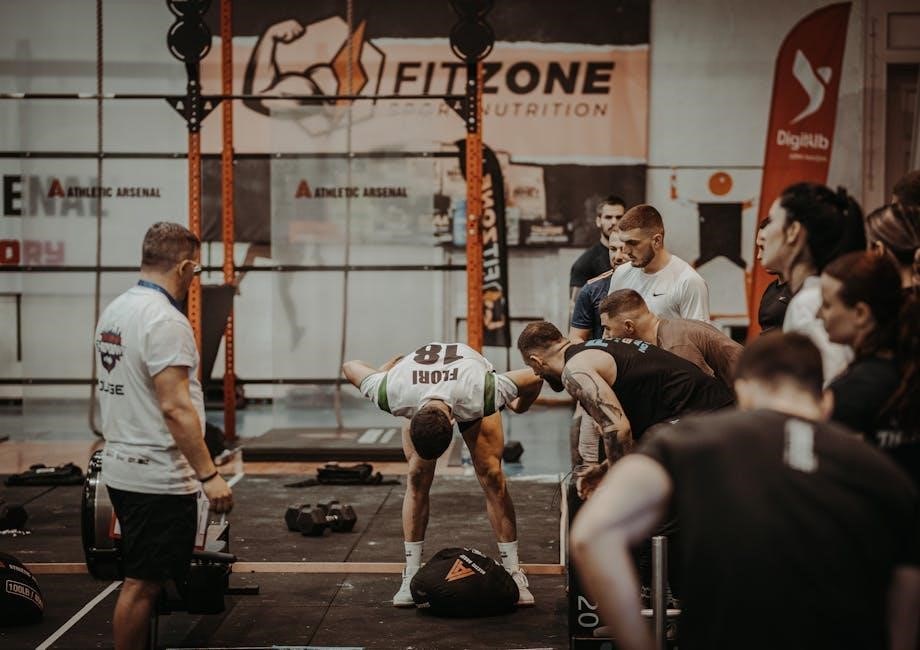
CrossFit’s surge in popularity stems from its unique blend of high-intensity workouts, incorporating elements of weightlifting, gymnastics, and metabolic conditioning․ This approach delivers comprehensive fitness, appealing to diverse individuals seeking results․ The core principle of “constant variance” prevents plateaus and maintains engagement․

The annual CrossFit Games, originating in 2007, showcase elite athletes and fuel the community’s competitive spirit․ Understanding CrossFit involves recognizing its focus on functional movements performed at high intensity․ Many seek structured PDF workout schedules to navigate this complexity, benefiting from pre-designed programs and progressive overload․ These schedules provide a roadmap for achieving fitness goals within the CrossFit methodology․
The Evolution of CrossFit: From Origins to the Games
CrossFit began as a grassroots fitness movement, evolving from Greg Glassman’s initial training concepts․ The first CrossFit Games in 2007, held on a farm, marked a pivotal moment, transforming it into a globally recognized sport․ This evolution spurred demand for structured training programs, leading to the proliferation of PDF workout schedules․
As the Games grew, with increasingly complex and randomized events across 17 global regions, athletes and enthusiasts sought organized plans․ These PDF schedules offered a way to prepare for the unpredictable nature of CrossFit competition and general fitness improvement․ The need for progressive training, encompassing strength, endurance, and skill, fueled the creation of diverse program options available today․
What is a CrossFit Workout Schedule PDF?
A CrossFit Workout Schedule PDF is a digitally distributed document outlining a structured fitness plan based on CrossFit methodology․ These PDFs typically detail daily or weekly workouts, incorporating elements of metabolic conditioning (“Metcon”), gymnastics, and weightlifting․ They serve as a convenient, portable guide for individuals following a CrossFit program, whether at an affiliated gym or independently․
These schedules vary greatly, ranging from 4-week hybrid programs blending CrossFit with bodybuilding, to comprehensive 12-week plans focused on strength, endurance, and muscle building․ Many PDFs provide specific exercises, sets, reps, and even time domains, offering a clear roadmap for achieving fitness goals․

Key Components of a CrossFit Workout Schedule
Essential elements include varied Metcons, gymnastic skills, weightlifting, and a core principle of constant variance, ensuring comprehensive fitness development and preventing plateaus․
Metabolic Conditioning (Metcon)
Metabolic Conditioning, or Metcon, forms a crucial pillar of any effective CrossFit workout schedule PDF․ These workouts are designed to elevate your heart rate and challenge your cardiovascular endurance, often incorporating functional movements performed at a high intensity․ Expect combinations of exercises like burpees, thrusters, and rowing, completed “as fast as possible” (AMRAP) or within a specific time domain․
A well-structured Metcon section within a PDF will detail the exercises, rounds, repetitions, and any scaling options․ The goal isn’t just exhaustion; it’s improving your body’s ability to efficiently utilize energy stores, enhancing both performance and recovery․ Metcons are frequently paired with strength or gymnastic elements for a truly comprehensive workout․
Gymnastics Movements
Gymnastics movements are foundational to CrossFit, demanding strength, flexibility, coordination, and body control․ A comprehensive CrossFit workout schedule PDF will integrate exercises like pull-ups, push-ups, handstand push-ups, muscle-ups, and ring dips․ These aren’t just about upper body strength; they build core stability and improve movement mechanics․
PDFs often provide progressions and scaling options for each movement, allowing athletes of all levels to participate safely and effectively․ Expect detailed instructions on proper form and technique, emphasizing controlled movements over sheer speed․ Mastering gymnastics skills is a long-term process, and a good schedule will reflect that, building progressively over time․
Weightlifting Exercises
Weightlifting forms a crucial pillar of CrossFit, focusing on Olympic lifts – the snatch and the clean & jerk – alongside foundational strength exercises․ A well-structured CrossFit workout schedule PDF will incorporate these movements, building both power and technique․ Expect variations like power cleans, front squats, and overhead squats to enhance overall strength and athleticism․
PDFs should detail proper form, emphasizing safety and efficient movement patterns․ They often include progressions for building strength gradually, alongside accessory work to address weaknesses and prevent injury․ The inclusion of heavy days, as seen in some CrossFit approaches, will be clearly outlined, ensuring appropriate recovery periods are scheduled․
Constant Variance: The Core Principle
Constant variance is the defining characteristic of CrossFit, and a good workout schedule PDF reflects this․ It means workouts are never the same, preventing plateaus and fostering well-rounded fitness․ PDFs demonstrate this through diverse exercise selection, altering rep schemes, and varying workout modalities – from strength work to metabolic conditioning and gymnastics․
This unpredictability is key to CrossFit’s effectiveness․ A schedule PDF will showcase how workouts change daily, weekly, or even within a single session․ The 2007 CrossFit Games exemplified this with randomly selected rules and events․ Expect a mix of high-intensity interval training (HIIT) and traditional strength training, ensuring continuous adaptation․
Types of CrossFit Workout Schedules
Explore diverse PDF schedules: 4-week hybrids blending CrossFit & bodybuilding, 12-week programs for strength/endurance, daily plans, and classic upper/lower splits․
4-Week Hybrid CrossFit & Bodybuilding Program
This PDF outlines a meticulously structured 4-week program, intelligently merging the intensity of CrossFit with the muscle-building principles of bodybuilding․ Each week strategically focuses on foundational compound lifts – think squats, deadlifts, and presses – performed within a moderate repetition range, optimizing both strength and hypertrophy․
Complementing these core lifts are carefully selected accessory exercises designed to address muscle imbalances and enhance overall physique development․ The program’s beauty lies in its balanced approach, preventing overtraining while maximizing results․ Expect a progressive overload scheme, ensuring continuous adaptation and improvement throughout the four weeks․ This hybrid approach is ideal for athletes seeking functional strength alongside aesthetic gains, all conveniently detailed within the downloadable PDF․
12-Week CrossFit Program: Strength, Endurance & Muscle Building
This comprehensive PDF details a robust 12-week CrossFit program engineered to simultaneously enhance strength, build muscular endurance, and promote significant muscle growth․ Each week introduces a unique combination of challenging workouts, strategically periodized to prevent plateaus and maximize adaptation․
The program incorporates a diverse range of exercises, from Olympic weightlifting and gymnastics movements to high-intensity metabolic conditioning (“Metcons”)․ Expect a progressive increase in volume and intensity over the 12 weeks, pushing your limits while fostering consistent progress․ Detailed workout plans, scaling options, and recovery recommendations are all included within this valuable PDF resource, making it suitable for intermediate to advanced CrossFit athletes․
Daily Workout Plans (June-September Examples)
Explore a detailed PDF showcasing CrossFit workout examples spanning June through September․ This resource provides a practical glimpse into how daily sessions might be structured during these months, offering a variety of challenges․ Expect a blend of compound lifts – like push presses – alongside dynamic metabolic conditioning, including burpees and dips․
These plans demonstrate the “constant variance” principle central to CrossFit, preventing monotony and promoting well-rounded fitness․ The PDF outlines specific exercises, rep schemes, and potential scaling options, catering to different fitness levels․ It’s an excellent resource for understanding how to program diverse and effective daily workouts․
Classic Upper-Lower Split Routines in CrossFit
Discover how the time-tested upper-lower split is integrated into CrossFit programming within PDF resources․ This approach balances intensity with recovery, dedicating specific days to upper body and lower body exercises․ PDF guides often detail workouts focusing on compound movements for each split, maximizing efficiency and strength gains․
Expect routines incorporating exercises like overhead presses, pull-ups for upper days, and squats, deadlifts for lower days․ These PDFs demonstrate how CrossFit adapts this classic split, often adding metabolic conditioning elements to enhance cardiovascular fitness and endurance․ It’s a structured method for building a well-rounded physique․

Designing Your Own CrossFit Schedule
Utilize PDF resources to assess fitness, set goals, and structure warm-ups/cool-downs․ Customize schedules based on individual needs and available training time․
Assessing Your Fitness Level
Before diving into any CrossFit PDF schedule, honestly evaluate your current fitness․ Consider your experience with weightlifting, gymnastics, and metabolic conditioning․ A beginner will require a drastically different program than an experienced athlete․
Identify any pre-existing injuries or limitations․ Scaling workouts appropriately is crucial for safety, and a realistic self-assessment informs this process․ Can you perform basic movements like push-ups, squats, and sit-ups with good form?
Evaluate your cardiovascular endurance․ Can you run a mile without excessive fatigue? Understanding these baselines allows you to select a PDF program that aligns with your capabilities and prevents overtraining or injury․ Remember, progress is built on a solid foundation․
Setting Realistic Goals
When utilizing a CrossFit workout schedule PDF, define achievable goals․ Avoid aiming for rapid, unsustainable progress․ Instead, focus on consistent improvement over time․ Are you aiming to increase strength, improve endurance, or build muscle? Specificity is key․
Break down larger goals into smaller, manageable milestones․ For example, instead of “master the muscle-up,” aim to improve your strict pull-up strength first․ This approach fosters motivation and prevents discouragement․
Consider your time commitment and lifestyle․ A demanding schedule requires a less intense PDF program than one with more flexibility․ Realistic expectations are vital for long-term adherence and success․
Warm-up and Cool-down Routines
A comprehensive CrossFit workout schedule PDF should emphasize proper preparation and recovery․ Begin each session with a dynamic warm-up – movements like arm circles, leg swings, and torso twists – to increase blood flow and joint mobility․
Prioritize activating the muscles you’ll be using during the workout․ This could include band walks, light cardio, and specific movement drills․ A thorough warm-up minimizes injury risk and enhances performance․
Following the workout, dedicate time to a cool-down․ Static stretching – holding stretches for 30 seconds – improves flexibility and reduces muscle soreness․ Don’t skip these crucial components!
Sample Weekly CrossFit Schedule
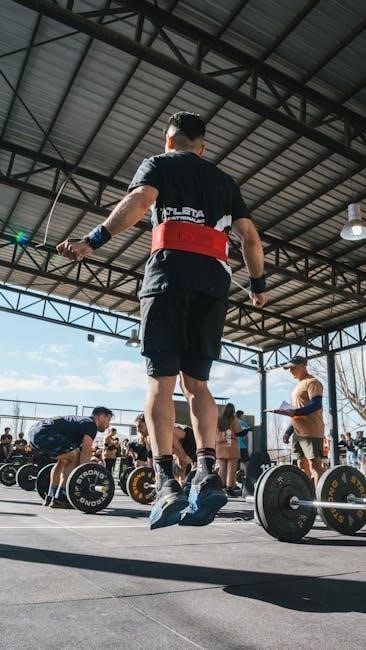
Explore a typical week: Strength & Skill, Metcon & Gymnastics, Active Recovery, Weightlifting & Conditioning, Team Workout, Open Gym, and Rest days․
Monday: Strength & Skill
Mondays typically focus on building a strong foundation through dedicated strength training and refining technical skills․ Expect compound lifts like squats, deadlifts, or overhead presses, performed for moderate repetitions to enhance strength gains․ Alongside these, dedicated skill work is crucial – practicing movements like kipping pull-ups, handstand push-ups, or Olympic lifting techniques․
This session isn’t about pushing maximal weight; it’s about perfecting form and building proficiency․ Coaches often incorporate drills to improve movement patterns and address individual weaknesses․ The goal is to improve technique, leading to safer and more efficient workouts throughout the week․ This balanced approach sets the stage for more intense conditioning later in the week․
Tuesday: Metcon & Gymnastics
Tuesdays are designed to challenge your metabolic conditioning (Metcon) and gymnastic abilities․ Workouts often combine high-intensity intervals with bodyweight movements, pushing cardiovascular endurance and muscular stamina․ Expect AMRAPs (As Many Rounds As Possible) or EMOMs (Every Minute On the Minute) featuring exercises like burpees, thrusters, or rowing․
Gymnastics work is also prominent, focusing on skills like pull-ups, muscle-ups, handstand walks, or ring dips․ Scaling options are vital to accommodate varying skill levels․ This day demands both strength and technique, building resilience and improving overall fitness․ It’s a demanding session, preparing you for the challenges ahead․
Wednesday: Active Recovery
Wednesdays prioritize active recovery, crucial for preventing overtraining and promoting muscle repair․ This isn’t a day for complete rest, but rather low-intensity activities that enhance blood flow and reduce soreness․ Expect workouts like light jogging, swimming, cycling, or yoga․ Mobility work, including stretching and foam rolling, is also heavily emphasized․
The goal is to facilitate recovery without completely disengaging the body․ This approach aids in reducing inflammation and preparing muscles for subsequent intense training sessions․ Active recovery is a vital component of a well-rounded CrossFit schedule, ensuring long-term progress and injury prevention․
Thursday: Weightlifting & Conditioning
Thursdays typically focus on a blend of weightlifting and metabolic conditioning (Metcon)․ Expect to see compound lifts like squats, deadlifts, and overhead presses, often performed for moderate repetitions to build strength and power․ These weightlifting segments are strategically paired with challenging Metcon workouts designed to improve cardiovascular endurance and muscular stamina․
The combination aims to enhance both strength and conditioning simultaneously․ Workouts might include interval training, AMRAPs (As Many Rounds As Possible), or EMOMs (Every Minute On the Minute) incorporating movements like burpees, box jumps, and rowing․ This day demands a high level of effort and prepares athletes for the weekend․
Friday: Team Workout/Longer Metcon
Fridays often introduce a team workout, fostering camaraderie and friendly competition․ These workouts typically involve collaborative challenges, requiring communication and synchronized effort to complete tasks efficiently․ Alternatively, Fridays may feature a longer, more demanding Metcon session, pushing athletes’ endurance and mental fortitude to the limit․
Expect workouts lasting 20-30 minutes or more, incorporating a variety of movements and potentially higher volumes of work․ This day serves as a capstone to the week’s training, testing accumulated fitness gains and preparing athletes for recovery over the weekend․ Scaling options are crucial for all fitness levels․
Saturday: Optional – Open Gym/Extra Work
Saturday is generally designated as an optional training day, providing athletes the flexibility to address individual weaknesses or simply enjoy additional time in the gym․ Many CrossFit boxes offer “Open Gym” hours, allowing members to work on skills, movements, or workouts at their own pace․
This is an excellent opportunity for focused practice, mobility work, or making up a workout missed earlier in the week․ However, it’s crucial to prioritize recovery and avoid overtraining․ Listen to your body and adjust the intensity accordingly, ensuring adequate rest before the week begins anew․
Sunday: Rest & Recovery
Sunday is fundamentally dedicated to complete rest and recovery, a non-negotiable component of any effective CrossFit schedule․ After six days of intense training, your body requires ample time to repair muscle tissue, replenish energy stores, and adapt to the accumulated stress․

Active recovery, such as light walking or stretching, can be beneficial, but avoid strenuous activity․ Prioritize sleep, hydration, and nutritious food to optimize the recovery process․ This day isn’t about losing progress; it’s about allowing your body to rebuild stronger, preparing you for another productive week of CrossFit training․

Resources for Finding CrossFit Workout PDFs
Explore official CrossFit sites, affiliate pages, and third-party fitness blogs for downloadable PDF workout schedules and programs, including CrossFit Games resources․
Official CrossFit Websites & Affiliates
Begin your search at the official CrossFit website (crossfit․com) for foundational information and potentially sample workout schedules, though direct PDF downloads may be limited․ A crucial resource lies within CrossFit affiliates – local gyms directly connected to CrossFit HQ․
Many affiliates offer members exclusive access to programmed workouts, often delivered as PDF documents or through specialized apps․ Check the websites of CrossFit affiliates in your area; some may provide free sample workouts or introductory programs as a lead magnet․
Furthermore, explore CrossFit’s official resources related to the CrossFit Games, as training materials and insights sometimes become available publicly or through associated channels․ Remember to verify the credibility of any PDF you download and ensure it aligns with safe CrossFit practices․
Third-Party Fitness Websites & Blogs
Numerous fitness websites and blogs curate and share CrossFit workout schedules, often in PDF format․ Be discerning; quality varies significantly․ Look for sites with experienced CrossFit coaches or trainers contributing content․ Websites specializing in functional fitness or HIIT training frequently feature CrossFit-inspired workouts․
However, always critically evaluate the source․ Ensure the workouts are well-structured, include proper warm-up and cool-down routines, and emphasize safe technique․
CrossFit-focused blogs can be excellent resources, offering detailed explanations of movements and scaling options․ Prioritize sites that demonstrate a strong understanding of CrossFit methodology and prioritize athlete safety over intensity․ Double-check any PDF for accuracy before attempting the workout․
CrossFit Games Resources
The official CrossFit Games website provides a wealth of information, including past event workouts often available for download․ While not always formatted as complete schedules, these workouts offer insight into the types of challenges elite CrossFit athletes face․
Examining past Games workouts can inspire your own programming, but remember they are designed for a very high level of fitness․ Scaling is crucial! The Games website also features articles and videos demonstrating proper technique․
Furthermore, affiliated gyms often analyze Games workouts and create scaled versions for their members, sometimes sharing these as PDF resources․ Explore resources linked from the Games site for additional training ideas․

Important Considerations & Safety
Prioritize proper form, scale workouts appropriately, and maintain adequate nutrition and hydration when following any CrossFit schedule PDF for optimal results․
Proper Form & Technique
Maintaining impeccable form is paramount when executing any CrossFit workout, especially when utilizing a PDF schedule․ Incorrect technique dramatically increases the risk of injury, negating any potential fitness gains․ Focus on controlled movements, engaging the correct muscle groups throughout each exercise․
Prioritize quality over quantity; it’s better to complete fewer repetitions with perfect form than to rush through with compromised technique․ Seek guidance from qualified CrossFit coaches to learn proper execution for complex movements like Olympic lifts and gymnastics skills․ Regularly review movement standards and practice drills to reinforce correct form․ Remember, a PDF schedule is a guide, but safe execution is your responsibility․
Scaling Workouts to Your Ability
CrossFit PDF schedules often present challenging workouts; therefore, scaling is crucial for all fitness levels․ Don’t hesitate to modify exercises to match your current capabilities․ This might involve reducing the weight, decreasing repetitions, shortening distances, or substituting movements altogether․
Scaling isn’t a sign of weakness, but a demonstration of intelligent training․ Prioritize maintaining proper form while scaling, ensuring you’re still benefiting from the workout․ A good PDF program will suggest scaling options, but a coach can provide personalized adjustments․ Listen to your body and adjust accordingly – progress safely and consistently․

Nutrition & Hydration for CrossFit
CrossFit PDF workouts demand significant energy expenditure, making proper nutrition and hydration paramount․ Fuel your body with a balanced diet rich in protein, carbohydrates, and healthy fats to support muscle recovery and performance․ Prioritize whole, unprocessed foods over sugary or processed alternatives․
Hydration is equally vital; drink plenty of water throughout the day, especially before, during, and after workouts․ Electrolyte replenishment may be necessary during intense sessions․ A well-structured PDF schedule should be complemented by a mindful approach to fueling your body for optimal results and sustained energy levels․