
katalic cat feeder manual
Katalic Cat Feeder Manual: A Comprehensive Guide
This manual provides detailed instructions for the Katalic Automatic Cat Feeder (Model APF02). It covers setup, operation, maintenance, and troubleshooting, ensuring your pet receives consistent, portion-controlled meals.

Welcome to the world of convenient and reliable pet feeding! The Katalic Automatic Cat Feeder is designed to simplify your life and ensure your feline companion receives consistent, healthy meals, even when you’re away or have a busy schedule. This innovative device takes the guesswork out of feeding times and portion control, promoting your cat’s well-being.

As a responsible pet owner, you understand the importance of regular feeding. However, life often presents challenges that make maintaining a strict feeding schedule difficult. The Katalic feeder addresses these challenges by automating the process, delivering the right amount of food at the right time. It’s an invaluable asset for individuals with demanding work schedules, frequent travelers, or those with mobility limitations.
This feeder isn’t just about convenience; it’s about providing peace of mind. Knowing your cat is consistently fed helps reduce anxiety for both you and your furry friend. The Katalic Automatic Cat Feeder offers a reliable solution for maintaining your cat’s health and happiness, ensuring they receive precisely the nutrition they need, when they need it.
Unboxing and Component Overview
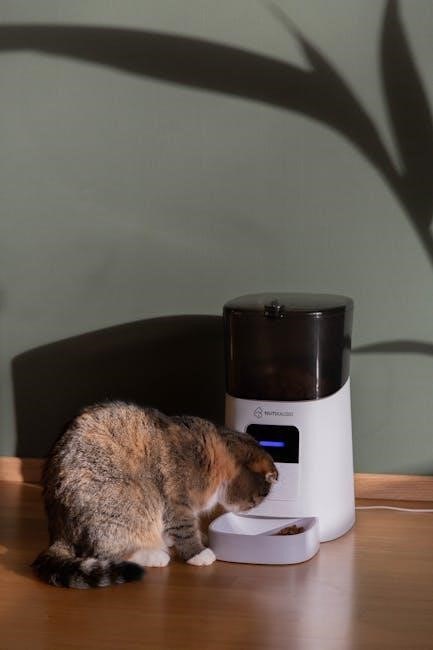
Upon opening your Katalic Automatic Cat Feeder package, carefully inspect the contents. You should find the main feeder unit, featuring a transparent food tank with a 6-liter capacity, designed to hold dry kibble. A detachable lid secures the tank, ensuring freshness and preventing unwanted access.
Also included is a power adapter for continuous operation, and a separate battery compartment allowing for backup power during outages. The feeder’s base houses the control panel and LCD display, providing intuitive access to programming options. A desiccant pack is present to absorb moisture and maintain kibble crispness.
Separate components include a detailed user manual – this document! – offering step-by-step guidance on setup, operation, and maintenance. Verify that all listed components are present and undamaged. If anything is missing or appears faulty, immediately contact customer support. Familiarizing yourself with each part before setup will streamline the process and ensure optimal performance of your new pet feeder.
Setting Up Your Katalic Cat Feeder
Begin by selecting a suitable location for your Katalic Automatic Cat Feeder – a dry, level surface near your cat’s existing feeding area is ideal. Ensure the power outlet is easily accessible if using the adapter. Before filling the hopper, thoroughly wipe down the interior of the food tank with a dry cloth to remove any potential residue.

Carefully attach the lid to the food tank, pressing down firmly until it clicks securely into place. This prevents accidental opening and maintains kibble freshness. Next, connect the power adapter to the feeder and plug it into a wall outlet. Alternatively, insert the appropriate batteries into the battery compartment, observing the correct polarity.
Once powered on, the LCD display will illuminate. Before programming feeding schedules, double-check that the feeder is turned on and functioning correctly. Refer to the ‘Understanding the LCD Display’ section for detailed information on navigating the control panel. Proper initial setup is crucial for reliable and consistent feeding.
Powering the Device: Battery and Adapter Options
The Katalic Automatic Cat Feeder offers flexible power solutions: a DC power adapter and battery operation. The adapter (5V/1A) provides continuous power, ensuring the feeder operates reliably without interruption. Plug the adapter into the feeder’s DC input and a standard wall outlet. This is the recommended power source for consistent performance.
Alternatively, the feeder can run on D-cell batteries (typically 4, but check your model’s specifications). Battery operation is ideal for power outages or locations without easy access to an outlet. Ensure you insert the batteries with the correct polarity (+/-) as indicated in the battery compartment.
Important Note: Do not mix old and new batteries. Using both power sources simultaneously is not recommended and may damage the device. Battery life varies depending on usage and battery quality. Regularly check battery levels to prevent feeding disruptions. The feeder may display a low-battery warning on the LCD screen.

Programming Feeding Schedules
The Katalic Automatic Cat Feeder allows you to customize feeding schedules to suit your cat’s needs. Access the programming mode via the ‘Schedule’ or ‘Time’ button on the control panel. You can typically set up to 6 meals per day, with adjustable times for each feeding; Use the up and down arrow buttons to set the desired hour and minute for each mealtime.
Confirm each setting by pressing the ‘Confirm’ or ‘OK’ button. The feeder will store your programmed schedule even if power is interrupted, thanks to its built-in memory. Review your schedule regularly to ensure it aligns with your cat’s dietary requirements and your lifestyle.
Tip: Start with a simple schedule and gradually adjust it based on your cat’s behavior and appetite. Observe your cat’s eating habits to determine the optimal feeding times and portion sizes. The LCD display will show the scheduled meal times, allowing for easy verification.
Adjusting Portion Sizes
The Katalic Automatic Cat Feeder enables precise portion control, crucial for maintaining your cat’s healthy weight. Access the portion size settings through the ‘Portion’ or ‘Amount’ button on the control panel. Typically, you can adjust the amount of food dispensed per meal in increments, often measured in grams or cups.
Utilize the up and down arrow buttons to increase or decrease the portion size. The LCD display will clearly indicate the selected amount. It’s vital to determine your cat’s daily caloric needs based on their age, weight, and activity level, then divide that amount into appropriate meal portions.
Important: Avoid overfilling the hopper, leaving some space for smooth food dispensing. Begin with smaller portions and monitor your cat’s weight and body condition. Adjust the portion sizes gradually as needed. Consistent portion control helps prevent overeating and obesity, contributing to a longer, healthier life for your feline companion.
Understanding the LCD Display
The Katalic Automatic Cat Feeder’s LCD display provides essential information regarding the feeder’s operation and settings. The primary display area shows the current time, ensuring accurate feeding schedules. Adjacent to the time, you’ll find indicators for programmed meal times – typically represented by icons or numbers corresponding to the meal slots.
A ‘Portion’ or ‘Amount’ indicator displays the currently selected portion size for each meal, usually in grams or cups. Battery level is also prominently shown, alerting you when replacement or adapter use is necessary. Some models include a ‘Manual Feed’ indicator, confirming activation of the immediate feeding function.
Pay attention to any error messages displayed, such as ‘Food Jam’ or ‘Low Battery’. Refer to the troubleshooting section of this manual for solutions. The display’s clarity is vital for effective operation; ensure it’s unobstructed and easily visible. Familiarizing yourself with these indicators ensures optimal performance and your cat’s consistent feeding.
Filling the Food Hopper
Before filling the Katalic Automatic Cat Feeder, ensure the device is powered off or unplugged to prevent accidental operation. Locate the food hopper, typically a transparent tank on top of the feeder. Carefully open the lid, designed to secure the kibble and maintain freshness.
Pour dry pet kibble into the hopper. The feeder boasts a generous 6-liter capacity, accommodating several days’ worth of food, depending on your cat’s consumption. Avoid overfilling; leave a small space at the top to allow for smooth kibble flow during dispensing.

Securely close the lid by pressing down firmly until it clicks into place. This prevents spillage and maintains the hopper’s airtight seal. Regularly check the kibble level and refill as needed, ensuring a consistent food supply for your feline companion. Avoid introducing moisture into the hopper, as this can cause clumping and feeding issues.
Recommended Kibble Types and Sizes
The Katalic Automatic Cat Feeder is designed to work optimally with a variety of dry kibble types. However, certain characteristics ensure smoother operation and prevent potential jams. Generally, round or cylindrical kibble shapes are preferred, as they flow more easily through the dispensing mechanism.
Kibble size is also crucial. We recommend kibble diameters between 5mm and 12mm (approximately 0;2 to 0.47 inches). Smaller kibble may occasionally clump, while excessively large pieces could obstruct the dispensing chute. Avoid using irregularly shaped, oversized, or particularly soft kibble.
While most standard dry cat foods are compatible, avoid using kibble coated with oils or gravy, as these can cause buildup and malfunction. Regularly inspect the hopper and dispensing area for any residue. Experiment with different brands to find a kibble that consistently delivers reliable performance within your feeder.
Cleaning and Maintenance
Regular cleaning is essential for maintaining the Katalic Automatic Cat Feeder’s performance and your pet’s health. We recommend a light cleaning every few days, removing any stray kibble pieces from the hopper and dispensing area. A more thorough cleaning should be performed at least once a week, or more frequently if needed.
Before cleaning, always disconnect the power source – either remove the batteries or unplug the adapter. The food hopper, bowl, and lid are typically dishwasher-safe (top rack recommended). However, hand washing with mild soap and warm water is also effective. Avoid abrasive cleaners, as they can damage the plastic components.
Pay close attention to the dispensing chute, ensuring it’s free from obstructions. Wipe down the exterior of the feeder with a damp cloth. Proper maintenance prevents food buildup, ensuring accurate portion control and a hygienic feeding environment for your feline companion.
Disassembling for Thorough Cleaning
For a deep clean of your Katalic Automatic Cat Feeder, complete disassembly is recommended monthly. Begin by removing the food hopper, bowl, and lid. Most models feature a simple release mechanism – consult your specific model’s diagrams if needed. Carefully detach the dispensing mechanism, noting its orientation for reassembly.

The dispensing mechanism often consists of a rotating impeller or auger. Gently remove any accumulated kibble residue from these parts using a soft brush or cloth. Avoid using water directly on electronic components. Inspect the chute for blockages and clear them with a small, flexible tool.
Once disassembled, wash all removable parts (hopper, bowl, lid, dispensing components) with warm, soapy water. Ensure all parts are completely dry before reassembling. Refer to the exploded diagram in this manual to ensure correct reassembly of the dispensing mechanism. Proper disassembly and cleaning will maintain optimal feeder function.
Troubleshooting Common Issues
If your Katalic Automatic Cat Feeder isn’t dispensing food, first check the power source – ensure batteries are fresh or the adapter is securely connected. Verify the feeding schedule is correctly programmed and activated on the LCD display. A common issue is a food jam; see the dedicated section for resolution.
If portions are inconsistent, calibrate the feeder according to the ‘Adjusting Portion Sizes’ instructions. Ensure the kibble type and size are compatible with the feeder (refer to the ‘Recommended Kibble Types’ section). An error message on the LCD display indicates a specific problem – consult the display’s explanation in this manual.
For unresponsive buttons, try resetting the device by removing the power source for 30 seconds. If the feeder continues to malfunction, contact customer support with your model number and a detailed description of the issue. Regular maintenance, as outlined in this manual, prevents many common problems.
Addressing Food Jams
Food jams are a common occurrence with automatic feeders, especially with certain kibble shapes or sizes. If your Katalic feeder stops dispensing, suspect a jam first. Ensure the feeder is turned off or unplugged before attempting to clear any blockage. Gently shake the feeder to dislodge any stuck kibble.
Open the food hopper and visually inspect the dispensing mechanism. Remove any visible obstructions using a dry cloth or a soft brush – avoid using metal objects that could damage the feeder. Do not force anything through the dispensing chute. If kibble is wedged tightly, carefully tilt the feeder to encourage movement.
Avoid overfilling the hopper, as this increases the likelihood of jams. Leaving a small space at the top allows for smoother kibble flow. Regularly clean the food hopper and dispensing area to prevent buildup. If jams persist, consider switching to a different kibble type or size recommended in the manual.
Replacing the Desiccant Pack
The Katalic Automatic Cat Feeder includes a desiccant pack within the food hopper to absorb moisture and maintain kibble freshness. Over time, this pack becomes saturated and loses its effectiveness. Regularly replacing the desiccant pack is crucial for preventing kibble from becoming stale or attracting pests.

The frequency of replacement depends on your environment’s humidity levels, but we recommend replacing the desiccant pack every 1-3 months. To replace it, first, empty the food hopper completely. Locate the desiccant pack – it’s typically a small, sealed packet containing silica gel beads. Remove the old pack and discard it responsibly.

Open a new desiccant pack and place it inside the food hopper, ensuring it’s positioned away from the dispensing mechanism. Do not ingest the desiccant beads; they are harmful if swallowed. Proper desiccant pack maintenance ensures your cat enjoys fresh, flavorful kibble with every meal, contributing to their overall health and well-being.
Safety Precautions
Prioritize safety when operating your Katalic Automatic Cat Feeder. Always unplug the device before cleaning or disassembling any components. Never immerse the base unit containing electrical components in water or any other liquid. Ensure the power adapter and cord are free from damage; do not use if frayed or exposed wires are present.
Keep the feeder on a stable, level surface to prevent tipping. Supervise your cat initially to ensure they adapt comfortably to the feeder and do not attempt to dismantle it. Do not allow children to play with or around the feeder. The desiccant pack included is not edible and poses a choking hazard; keep it out of reach of children and pets.
Only use the provided power adapter. Using a different adapter may damage the feeder and void the warranty. Regularly inspect the food hopper for cracks or damage. If any issues are detected, discontinue use immediately. Following these precautions will ensure safe and reliable operation of your Katalic feeder.
Frequently Asked Questions (FAQ)
Q: My cat is scared of the feeder. What should I do? A: Introduce the feeder gradually. Initially, place it near your cat’s existing food bowl and fill it with their regular kibble. Allow them to investigate at their own pace.
Q: The feeder isn’t dispensing food. What could be the problem? A: Check if the feeder is programmed correctly, the hopper isn’t empty, and there are no food jams. Ensure the battery has sufficient charge or the adapter is securely connected.
Q: Can I use wet food in the feeder? A: No, the Katalic feeder is designed for dry kibble only. Wet food will clog the mechanism and damage the device.
Q: How often should I replace the desiccant pack? A: Replace the desiccant pack every 6-12 months, or when it becomes saturated, to maintain kibble freshness.
Q: Where can I find additional support? A: Please refer to the warranty information for customer support contact details. Our team is available to assist with any questions or concerns.
Warranty Information and Customer Support
Warranty Coverage: The Katalic Automatic Cat Feeder is covered by a one-year limited warranty against defects in materials and workmanship from the date of purchase. This warranty does not cover damage resulting from misuse, accidents, or unauthorized modifications.
Claim Process: To initiate a warranty claim, please contact our customer support team with your proof of purchase and a detailed description of the issue. We may request photos or videos to assist in the assessment.
Customer Support: Our dedicated customer support team is available to assist you with any questions, concerns, or troubleshooting needs. You can reach us via email at support@katalicpet.com or by phone at 1-800-KATALIC (1-800-528-2542) during business hours (Monday-Friday, 9 AM ー 5 PM EST).
Online Resources: Visit our website at www.katalicpet.com for access to a comprehensive knowledge base, FAQs, and downloadable resources, including this manual. We are committed to providing excellent customer service and ensuring your satisfaction with our products.