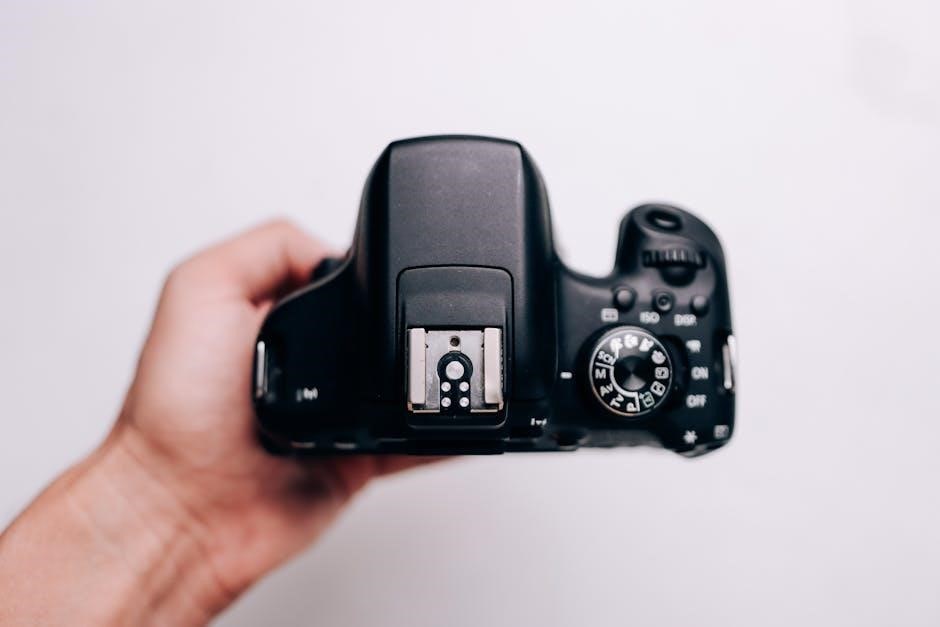
canon powershot sx50 hs digital camera manual
The Canon PowerShot SX50 HS is a versatile digital camera‚ offering a robust feature set for both beginners and enthusiasts. This manual guides you through its capabilities‚ ensuring optimal performance and enjoyment of your photographic journey.
Overview of the Camera
The Canon PowerShot SX50 HS is designed as a user-friendly yet powerful bridge camera. It boasts a 50x optical zoom‚ allowing for detailed shots from a distance‚ and a high-resolution sensor for excellent image quality. This model caters to diverse shooting scenarios‚ from everyday snapshots to more ambitious photographic endeavors. It’s built for convenience‚ offering a comfortable grip and intuitive controls‚ making it a great choice for all skill levels.
Key Features and Specifications
The SX50 HS features a 12.1-megapixel CMOS sensor and DIGIC 4+ image processor‚ delivering sharp‚ detailed images. It offers 1080p Full HD video recording and a 3.0-inch LCD screen. Key specs include the 50x optical zoom (22.2-1110mm equivalent)‚ ISO 80-3200‚ and continuous shooting at 10 fps. It supports SD‚ SDHC‚ and SDXC memory cards for ample storage.
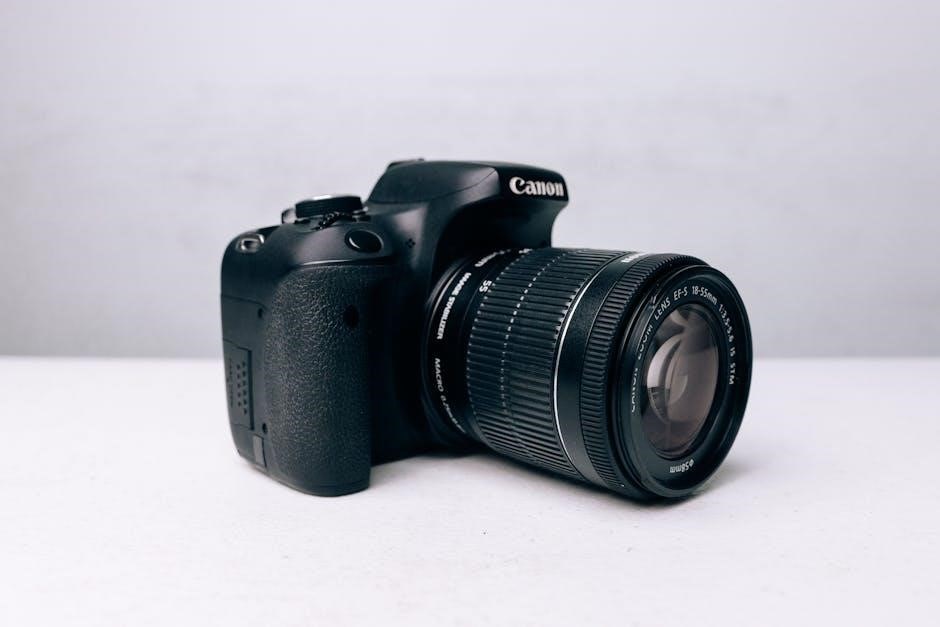
Getting Started with Your SX50 HS
Before capturing stunning photos‚ ensure your SX50 HS is properly set up. This section details essential steps like charging‚ inserting memory‚ and powering the camera on.
Charging the Battery
To charge the battery‚ connect the provided AC adapter to the camera and a wall outlet. The charge indicator lamp will illuminate‚ typically displaying orange while charging and turning green when complete. Initial charging may take several hours.
Always use the Canon-supplied charger to avoid damage. Do not leave the battery charging unattended for extended periods‚ and disconnect it once fully charged for optimal battery life and safety.
Inserting and Removing Memory Cards
Locate the memory card slot‚ typically on the side of the camera. Gently insert a compatible SD card (SDHC/SDXC supported) until it clicks into place. To remove‚ press the release latch inwards‚ and the card will eject slightly for easy retrieval.
Always power off the camera before inserting or removing cards. Avoid forcing the card‚ and handle it carefully to prevent damage to the card or the camera’s slot.
Powering On and Off
To power on the Canon PowerShot SX50 HS‚ locate the power button‚ usually on the top panel. Press it firmly; the LCD screen will illuminate‚ indicating the camera is active. To power off‚ press the same button again until the screen goes dark.
Ensure the battery has sufficient charge for operation. The camera may automatically power off after a period of inactivity to conserve battery life.
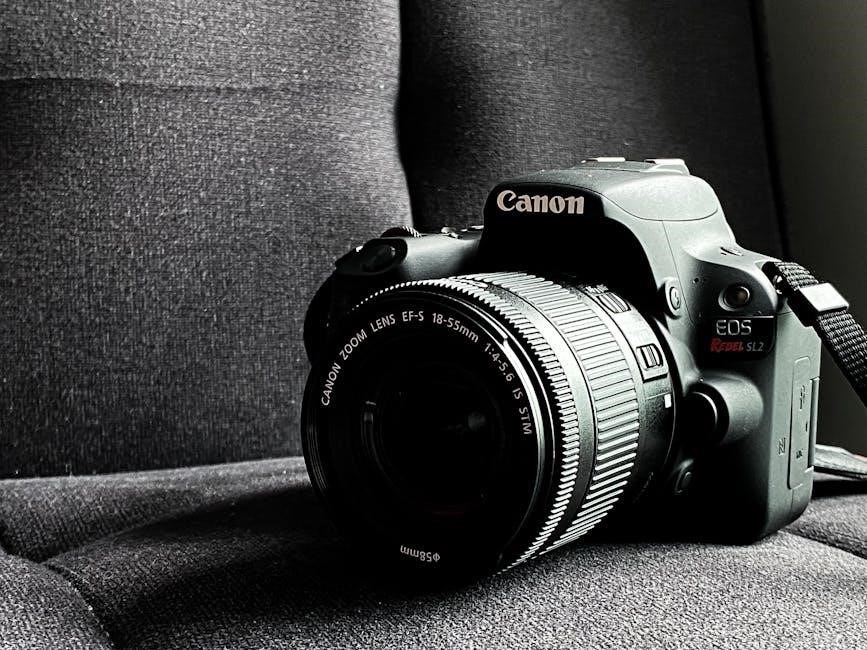
Understanding the Camera Interface
The SX50 HS interface features a menu system‚ LCD screen‚ and various buttons/dials. Familiarizing yourself with these elements unlocks the camera’s full potential for creative control.
Navigating the Menu System
The Canon PowerShot SX50 HS menu is accessed via the MENU button. It’s logically organized into shooting‚ AF‚ setup‚ and other categories. Use the directional buttons to highlight options and press the FUNCTION/SET button to select. Submenus are navigated similarly‚ allowing adjustments to image quality‚ ISO‚ white balance‚ and numerous customizable settings. Understanding this structure is key to tailoring the camera to your preferences and shooting conditions.
Understanding the LCD Screen
The SX50 HS features a 3.0-inch Vari-Angle LCD screen for flexible viewing. It displays shooting information like mode‚ battery level‚ and settings. During playback‚ images and videos are clearly visible. Utilize the DISP. button to cycle through display options‚ showing or hiding shooting data. Brightness is adjustable within the menu for optimal visibility in various lighting conditions.
Customizing the Display
The Canon SX50 HS allows display personalization via the menu. Adjust LCD brightness for comfortable viewing; Choose display options to show or hide shooting parameters like histogram‚ grid lines‚ and electronic level. Customize the information overlay during image playback‚ selecting data like shooting date and camera settings. Tailor the screen to your preferences for a streamlined experience.
Shooting Modes and Settings
The SX50 HS offers diverse shooting modes‚ from fully automatic for simplicity to manual controls for experienced users. Explore Program‚ Shutter‚ and Aperture Priority modes for creative flexibility.
Auto Mode for Beginners
Canon’s Auto mode simplifies photography‚ intelligently selecting optimal settings for various scenes. This is perfect for users new to photography‚ eliminating the need to adjust complex parameters. The camera automatically handles focus‚ exposure‚ and white balance‚ ensuring well-exposed and vibrant images. Simply point and shoot – the SX50 HS does the rest‚ delivering consistently pleasing results without requiring technical expertise. It’s an excellent starting point for capturing memorable moments effortlessly.
Program Mode (P) for More Control
Program mode (P) offers a balance between automatic convenience and manual control. While the camera sets the aperture and shutter speed‚ you can adjust ISO‚ white balance‚ and exposure compensation. This allows for creative adjustments without fully committing to manual settings. It’s ideal for photographers wanting more influence over the final image‚ while still benefiting from the camera’s intelligent assistance‚ providing a stepping stone towards advanced techniques.
Shutter Priority (Tv) and Aperture Priority (Av) Modes
Shutter Priority (Tv) lets you control the shutter speed‚ ideal for capturing motion – freeze action with fast speeds or blur for a sense of movement. Aperture Priority (Av) allows control over the aperture‚ influencing depth of field; wider apertures create shallow focus‚ while narrower ones yield greater sharpness. These modes offer creative control‚ with the camera automatically adjusting the remaining settings for proper exposure.
Focusing and Image Quality
Achieve sharp images with the SX50 HS’s autofocus options‚ or fine-tune manually. Adjust resolution and compression settings to balance file size and detail.
Autofocus Modes Explained
The Canon PowerShot SX50 HS offers several autofocus (AF) modes to suit various shooting scenarios. Standard AF is ideal for everyday subjects‚ while Focus Lock maintains focus on a stationary subject even as you recompose the shot. Tracking AF continuously follows moving subjects‚ ensuring sharpness during action. Additionally‚ Face Detection AF prioritizes focusing on faces within the frame‚ enhancing portrait photography. Experiment with these modes to discover which best suits your needs and subject matter for consistently sharp and well-focused images.
Manual Focus Operation
For precise control‚ the Canon PowerShot SX50 HS allows manual focus adjustment. Switch the focus mode to ‘MF’ on the camera dial. Utilize the focus ring around the lens to fine-tune sharpness‚ observing the image on the LCD screen for critical focus. Zooming in on the display aids in achieving accurate focus‚ especially for detailed shots. Manual focus is beneficial for challenging situations where autofocus struggles‚ like low light or macro photography.
Image Quality Settings (Resolution & Compression)
The SX50 HS offers various image quality settings to balance file size and detail. Resolution determines the image size in pixels; higher resolution means more detail. Compression (Fine‚ Normal‚ Low) affects file size – Fine offers the best quality but largest files. Choose settings based on intended use; larger prints require higher resolution and less compression. Experiment to find the optimal balance for your needs.
Zoom and Image Stabilization
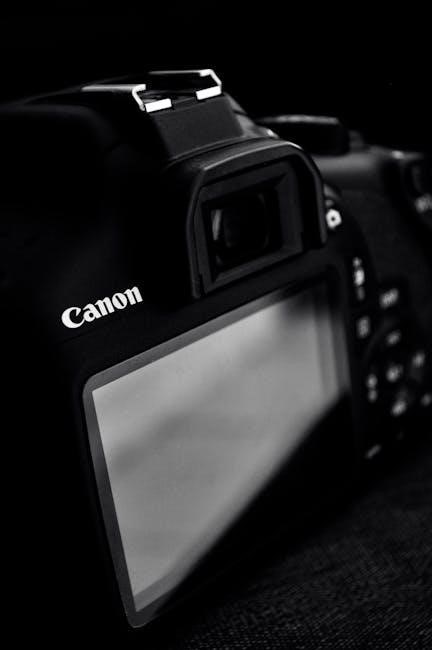
The SX50 HS boasts a powerful 50x optical zoom and effective image stabilization. These features minimize blur‚ especially at extended zoom ranges‚ ensuring sharp‚ clear images.
Utilizing the 50x Optical Zoom
The Canon PowerShot SX50 HS’s impressive 50x optical zoom allows you to capture distant subjects with remarkable clarity. Gently operate the zoom lever around the shutter button to smoothly transition between wide-angle and telephoto perspectives. For optimal stability at maximum zoom‚ utilize the image stabilization feature‚ and consider a tripod for exceptionally sharp results. Remember that longer focal lengths magnify camera shake‚ so steady hands or support are crucial for avoiding blurry images.
Understanding and Using Image Stabilization
The Canon SX50 HS features powerful image stabilization‚ minimizing blur caused by camera shake. Access this feature through the camera’s menu system; options typically include Dynamic IS‚ Powered IS‚ and standard IS. Dynamic IS is ideal for video recording while walking‚ while Powered IS enhances stability at high zoom levels. Experiment with each mode to determine the best setting for your shooting conditions and achieve sharper‚ clearer images.
Advanced Features
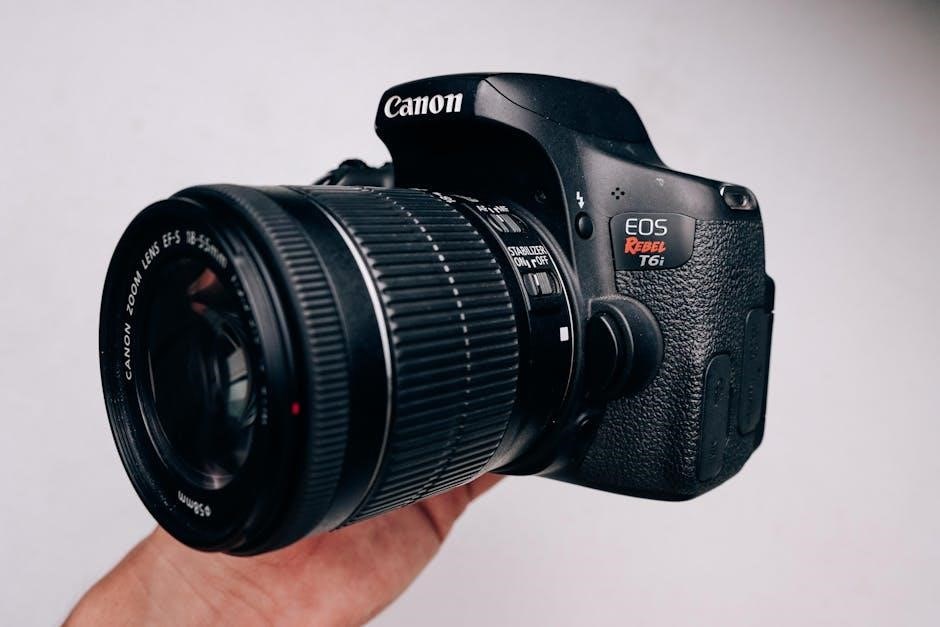
Explore creative possibilities with filters‚ HDR mode for dynamic range‚ and versatile movie recording options on your Canon PowerShot SX50 HS.
Creative Filters and Effects
The Canon PowerShot SX50 HS offers a range of creative filters to instantly transform your images. Experiment with Fish-eye‚ Miniature‚ Toy Camera‚ and Soft Focus effects to add artistic flair. These filters allow for unique visual expressions directly within the camera‚ eliminating the need for post-processing software for basic stylistic changes. Explore and discover the perfect look for every shot!
HDR Mode for Enhanced Dynamic Range
The SX50 HS’s HDR (High Dynamic Range) mode excels in challenging lighting situations. By combining multiple exposures‚ it captures detail in both bright highlights and dark shadows‚ resulting in a more balanced and visually appealing image. This is particularly useful for landscapes or scenes with strong contrast‚ delivering richer‚ more realistic results.
Movie Recording Options
The Canon PowerShot SX50 HS offers diverse movie recording capabilities. Capture Full HD video at various frame rates‚ allowing for smooth and detailed footage. Utilize the optical zoom during recording for dynamic shots‚ and explore creative video effects for enhanced storytelling. The camera provides options for different recording conditions and desired visual styles.
Troubleshooting Common Issues
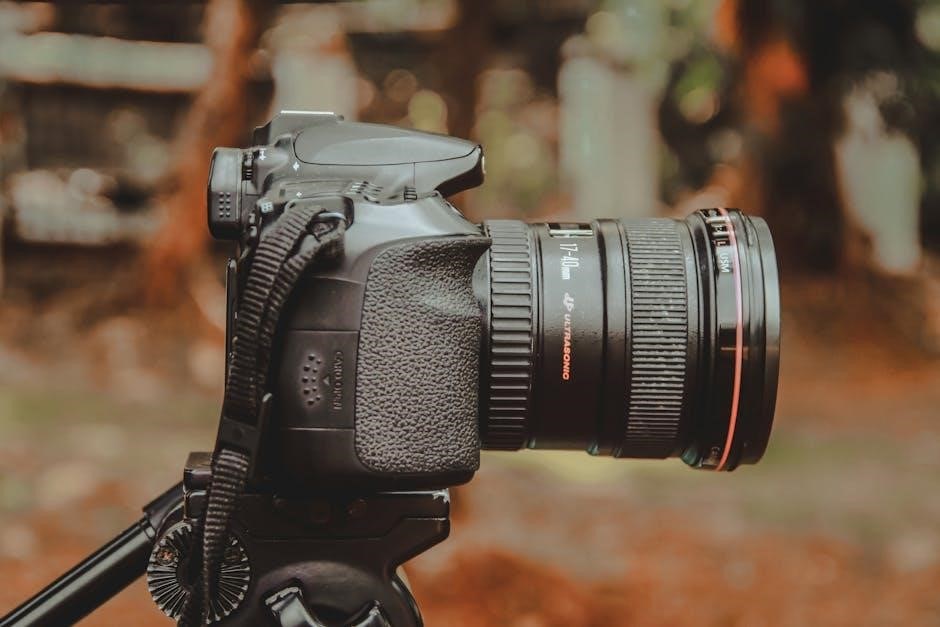
This section addresses frequent problems encountered with the Canon PowerShot SX50 HS‚ offering solutions for blurry images‚ memory card errors‚ and power-related concerns.
Dealing with Blurry Images
Blurry photos often stem from camera shake‚ especially at high zoom levels. Ensure a firm grip‚ or utilize a tripod for stability. Check the autofocus setting; select an appropriate mode for your subject’s movement.
Insufficient light can also cause blur. Increase ISO sensitivity‚ or use the built-in flash. Finally‚ confirm the lens is clean‚ as smudges can significantly impact image sharpness and clarity.
Addressing Memory Card Errors
If your Canon PowerShot SX50 HS displays a memory card error‚ first power off the camera and re-insert the card. Ensure the card is compatible and not write-protected. Try formatting the card within the camera – this will erase all data‚ so back it up first!
If the error persists‚ test the card in another device. A faulty card may need replacing.
Resolving Power Issues
If your Canon PowerShot SX50 HS fails to power on‚ verify the battery is correctly inserted and fully charged. Try a different‚ known-good battery if available. Inspect the battery contacts for any corrosion or debris‚ cleaning gently if needed.
Ensure the power source is functioning correctly when using an AC adapter.
Maintaining Your Camera
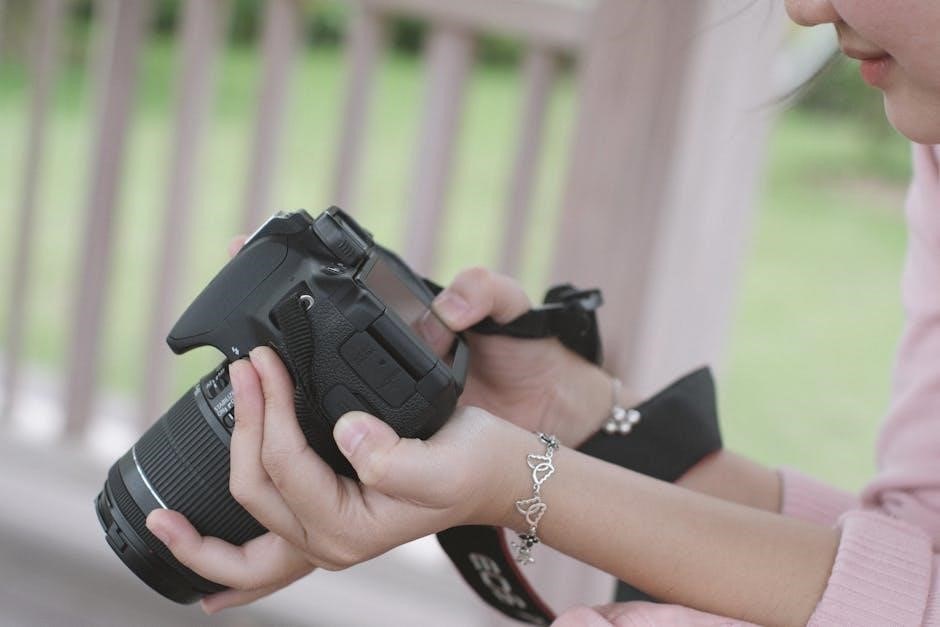
Regular cleaning and proper storage are crucial for longevity. Protect your Canon PowerShot SX50 HS from extreme temperatures and humidity for optimal performance.
Cleaning the Lens and Body
To clean the lens‚ use a soft‚ lint-free cloth and lens cleaning solution. Gently wipe in a circular motion‚ avoiding excessive pressure. For the camera body‚ a dry or slightly damp cloth is sufficient. Avoid harsh chemicals or abrasive cleaners‚ as they can damage the finish. Regularly dusting the exterior prevents buildup and maintains a pristine appearance‚ ensuring optimal image quality and camera lifespan.
Battery Care and Storage
To maximize battery life‚ avoid extreme temperatures and fully discharge it before recharging occasionally. Store the battery in a cool‚ dry place when not in use‚ ideally partially charged. Do not leave a fully charged or discharged battery unattended for extended periods. Proper battery maintenance ensures consistent performance and prolongs its overall lifespan‚ enhancing your shooting experience.
Understanding Acne (Related to potential skin irritation from camera handling)
Acne‚ a common skin condition‚ can be triggered by blocked pores with oil and dead skin cells. Hygiene during camera use is crucial to prevent flare-ups.
What is Acne and its Causes?
Acne vulgaris is a long-term skin condition affecting hair follicles and sebaceous glands‚ leading to follicle blockage and inflammation. It commonly presents as pimples‚ zits‚ or spots‚ particularly in teenagers‚ but can affect all ages. Causes include excess oil production‚ clogged pores with dead skin cells‚ bacteria‚ and sometimes‚ inflammation. While not directly caused by camera handling‚ prolonged contact could potentially exacerbate existing conditions or cause irritation in susceptible individuals.
Acne and Skin Irritation
Although the Canon PowerShot SX50 HS doesn’t directly cause acne‚ frequent contact with the camera’s surface could potentially contribute to skin irritation. This is especially true for individuals prone to breakouts. Oil‚ dirt‚ and bacteria can transfer to the skin during use. This can clog pores‚ leading to pimples or flare-ups of existing acne. Maintaining good hygiene is crucial to minimize this risk.
Preventing Acne Flare-Ups (Hygiene while using camera)
To minimize potential skin issues‚ regularly clean the camera’s surfaces with a soft‚ lint-free cloth. Avoid touching your face immediately after handling the camera. Wash your hands thoroughly before and after use. Consider using a screen protector to reduce direct skin contact. Maintaining a clean camera and practicing good personal hygiene will help prevent acne flare-ups.
Appendix
This section provides a comprehensive reference for button functions‚ error message explanations‚ and crucial warranty details for your Canon PowerShot SX50 HS.
Button and Dial Functions
The Power button initiates camera operation‚ while the Mode Dial selects shooting modes like Auto‚ Program‚ or Manual. The Zoom lever controls the impressive 50x optical zoom. The shutter button captures images‚ and the directional buttons navigate menus. The Set button confirms selections‚ and the Display button alters screen information. The Q button provides quick access to frequently used settings‚ streamlining your shooting experience.
Error Messages and Solutions
“Card Full” indicates the memory card requires emptying or replacement. “Cannot write to card” suggests a write-protection lock or card issue; check the lock switch and try a different card. “Lens Error” may require powering off/on; if persistent‚ contact support. “Low Battery” prompts immediate charging. Refer to the full manual for a comprehensive list and detailed troubleshooting steps for each error code.
Warranty Information
Canon offers a one-year limited warranty covering manufacturing defects. This warranty includes parts and labor for repairs or replacement‚ if necessary. Accidental damage‚ misuse‚ or unauthorized modifications are not covered. Proof of purchase is required for all warranty claims. Extended warranties may be available for purchase separately‚ providing additional coverage and peace of mind.