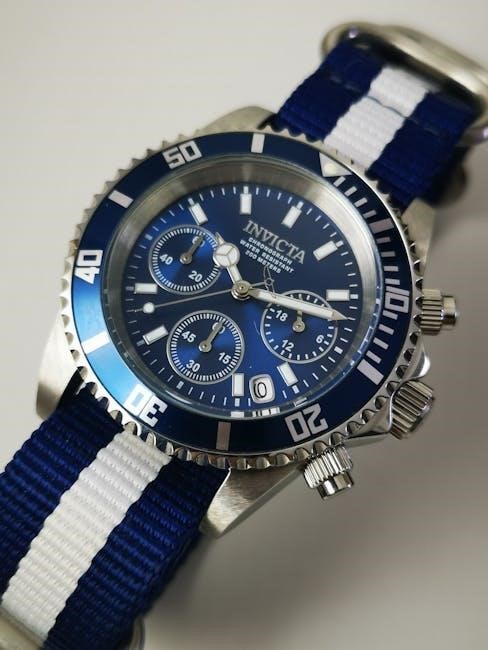
invicta watch owners manual
Invicta Watch Owners Manual: A Comprehensive Guide
This manual details Invicta timepieces, covering history, features, operation, care, troubleshooting, and warranty details—a resource for all owners today.
Invicta’s legacy spans over a century, rooted in the Latin word for “invincible.” The brand champions luxurious designs and robust construction, establishing a strong presence globally, particularly in South America and Turkey.
Often dubbed the “one-meter Rolex,” Invicta offers accessible quality, frequently available at significant discounts. While sometimes criticized for band attachment methods, Invicta maintains a widespread retail presence, including Amazon.com.
From quartz Mickey Mouse limited editions to Pro Diver models, Invicta’s diverse catalog caters to varied tastes. This manual serves as your guide to understanding and enjoying your Invicta timepiece, ensuring years of reliable performance and style.
Understanding Your Invicta Timepiece
Your Invicta watch represents a blend of heritage and modern design. Recognizing its components – case, movement, bracelet/strap, and bezel – is crucial for proper operation and care. Invicta offers both quartz and automatic movements, each requiring different maintenance approaches.
The “one-meter Rolex” nickname highlights Invicta’s aesthetic similarities to luxury brands, but understanding its unique features is key. Familiarize yourself with your specific model’s functions, whether it’s a simple time-and-date display or a complex chronograph.
This manual will guide you through these aspects, ensuring you appreciate the craftsmanship and functionality of your Invicta watch for years to come.
Key Features and Components
Invicta watches boast diverse case materials, movement types (quartz or automatic), bracelet options, and varying water resistance levels—essential elements to know.
Watch Case Materials and Construction
Invicta utilizes a variety of materials for their watch cases, impacting durability and aesthetics. Stainless steel is common, offering corrosion resistance and strength, frequently seen in Pro Diver models. Other materials include titanium, known for its lightweight properties and hypoallergenic nature, and solid brass, often plated with finishes like gold or black ion plating.
Construction methods vary; some cases are solid, while others feature a screw-down case back for enhanced water resistance. The case’s design influences the watch’s overall style, ranging from robust and sporty to sleek and sophisticated. Understanding the case material and construction helps appreciate the watch’s build quality and intended use.
Movement Types: Quartz vs. Automatic
Invicta watches feature two primary movement types: quartz and automatic. Quartz movements are battery-powered, offering high accuracy and requiring minimal maintenance. They are generally more affordable and reliable for everyday wear. Automatic movements, conversely, are mechanically powered by the wearer’s wrist motion, eliminating the need for batteries.
These movements showcase intricate craftsmanship and are favored by watch enthusiasts. Automatic watches require periodic winding when not worn and may exhibit slight variations in accuracy. Invicta offers both options, catering to diverse preferences and budgets. Choosing between quartz and automatic depends on desired accuracy, maintenance level, and appreciation for mechanical artistry.
Bracelet and Strap Options
Invicta watches offer a diverse range of bracelet and strap options to personalize your timepiece. Stainless steel bracelets provide durability and a classic aesthetic, often featuring different link styles and finishes. Leather straps offer comfort and elegance, available in various colors and textures. Rubber straps are ideal for active lifestyles, providing water resistance and a sporty look.
Invicta bands often utilize a “Klebeorgie” (glue frenzy) construction method, particularly with aftermarket straps. Replacement is straightforward, though some may be sourced from Amazon.com. Consider the watch’s style and intended use when selecting a bracelet or strap to complement its design and functionality.
Water Resistance Explained
Invicta watches boast varying degrees of water resistance, crucial for protecting the movement. Ratings range from 30 meters (splash-resistant) to 200 meters (suitable for diving). However, water resistance isn’t permanent; seals degrade over time. Avoid exposing your watch to extreme temperatures or chemicals, as these can compromise the seals.
Even with a high rating, annual testing is recommended. Be mindful that water resistance applies to static pressure, not dynamic forces like swimming or surfing. Condensation under the crystal indicates a compromised seal, requiring professional servicing. Proper care ensures your Invicta remains water-resistant and reliable.
Operating Your Invicta Watch
Mastering your Invicta involves setting time/date, utilizing chronograph features (if present), understanding bezel functions, and maintaining automatic movements properly.
Setting the Time and Date
To adjust the time on your Invicta watch, gently pull the crown out to the first position. This allows you to independently set the time by rotating the crown. Ensure the watch is synchronized with a reliable time source for accuracy.
For date adjustment, pull the crown out to the second position (if applicable). Rotate the crown to advance the date. Be mindful of AM/PM settings if your watch features a 12-hour display. Avoid changing the date during the hours of 9 PM to 3 AM, as this could potentially damage the movement.
Once the desired time and date are set, push the crown back to its original position to ensure water resistance and proper operation. Regularly check and adjust as needed to maintain accurate timekeeping.
Using Chronograph Functions (if applicable)
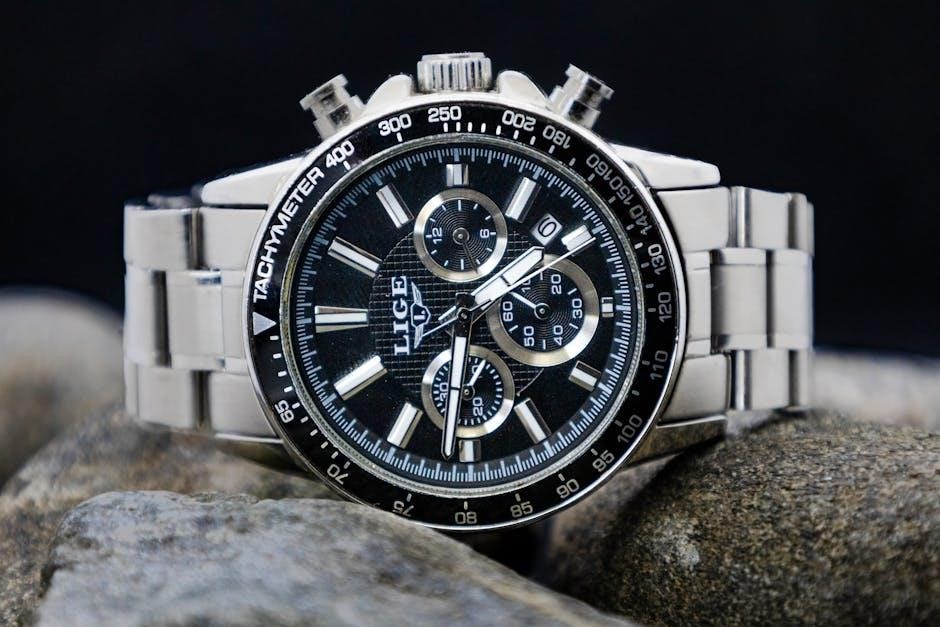
If your Invicta watch features a chronograph, it allows you to measure elapsed time independently of the main timekeeping function. Typically, the top pusher starts and stops the chronograph seconds hand. The bottom pusher resets the chronograph hands to zero.
Sub-dials often indicate elapsed minutes and hours. Familiarize yourself with the specific layout of your watch model. Some chronographs also include a flyback function, allowing for continuous timing without resetting.
Ensure the chronograph functions are fully reset after each use to conserve battery life (quartz) or prevent unnecessary wear on the automatic movement. Practice using the chronograph to become proficient in its operation.
Understanding the Bezel Functionality
The bezel on your Invicta watch often serves a functional purpose beyond aesthetics. Many models feature a unidirectional rotating bezel, primarily used for timing events, like dives or parking meters. Rotating the bezel aligns the zero mark with the minute hand, allowing you to track elapsed time.
Some bezels have markings for different units, such as tachymeters for calculating speed. Others are fixed and purely decorative. Understand the type of bezel on your specific Invicta model.
Ensure the bezel rotates smoothly and clicks securely into each position. Avoid forcing the bezel, as this could damage the mechanism.
Winding and Maintaining Automatic Movements
Invicta automatic watches are powered by your motion. The rotor inside spins with your wrist movements, winding the mainspring. If unworn for a day or two, the watch will stop and require manual winding.
To manually wind, gently turn the crown clockwise approximately 30-40 times. Avoid over-winding, which could damage the mechanism. A fully wound watch typically reserves power for 36-48 hours.
Regular wear is the best maintenance for automatic watches. If you don’t wear it frequently, consider using a watch winder to keep it running.
Care and Maintenance
Proper cleaning, bracelet adjustments, battery replacements (for quartz models), and careful storage will ensure your Invicta watch remains in excellent condition.
Cleaning Your Invicta Watch
Regular cleaning is crucial for maintaining your Invicta watch’s appearance and functionality. For the case and bracelet, use a soft cloth dampened with lukewarm water. Avoid harsh soaps or chemicals, as these can damage the finish or seals.
For tougher grime, a very mild soapy water solution can be used, ensuring thorough rinsing afterward. Pay attention to areas where dirt accumulates, like between bracelet links. Dry the watch completely with a clean, soft cloth.
If your watch has a leather strap, clean it with a leather cleaner specifically designed for watch straps. Avoid excessive water exposure to leather. For crystal cleaning, a microfiber cloth is ideal; avoid abrasive materials that could scratch the surface.
Bracelet Adjustment and Replacement
Adjusting your Invicta bracelet ensures a comfortable fit. Most bracelets utilize removable links; a spring bar tool is essential for this process. Carefully push the pin inward to release the link. Remove or add links as needed, ensuring even distribution on both sides of the clasp.
Replacing the bracelet requires a spring bar tool as well. Compress the spring bars on the lug ends and gently lift the bracelet away. Align the new bracelet, compress the spring bars, and secure it onto the lugs.
Always exercise caution to avoid scratching the watch case during these procedures; If unsure, consult a professional watch technician for assistance.
Battery Replacement (Quartz Watches)
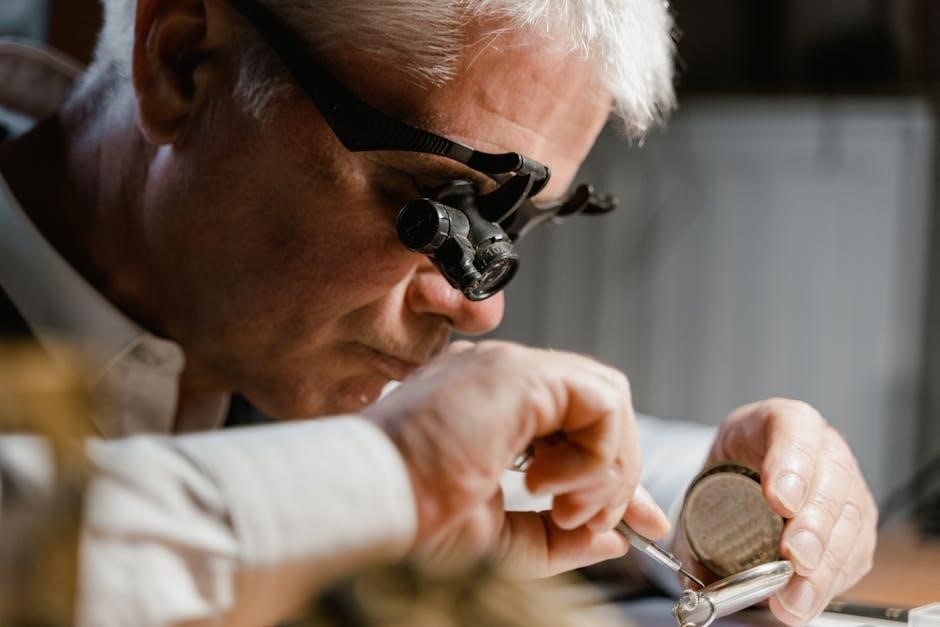
Replacing the battery in your Invicta quartz watch requires precision. First, carefully open the watch case back, typically using a case back opener tool. Locate the battery and its retaining clip. Gently release the clip and remove the old battery.
Insert the new battery, ensuring correct polarity (+ side up). Re-secure the retaining clip. Before closing the case back, verify the watch is functioning correctly.
Always handle batteries with care and avoid touching the positive terminals. If you are uncomfortable performing this task, seek assistance from a qualified watch technician to prevent damage.
Storage Recommendations
Proper storage extends your Invicta watch’s lifespan. When not wearing your timepiece, store it in a cool, dry place, away from direct sunlight and extreme temperatures. A watch box or pouch is ideal, protecting it from dust, scratches, and potential impacts.
For automatic watches, consider using a watch winder to keep the movement running if prolonged inactivity is anticipated. This prevents the oils from settling and ensures accurate timekeeping upon resumption of use.
Avoid storing your watch near strong magnetic fields, which can affect its accuracy. Regular, careful storage preserves your Invicta’s beauty and functionality for years to come.
Troubleshooting Common Issues
This section addresses typical Invicta watch problems—inaccurate time, condensation, bracelet issues, and chronograph malfunctions—offering solutions for optimal performance.
Watch Not Keeping Accurate Time
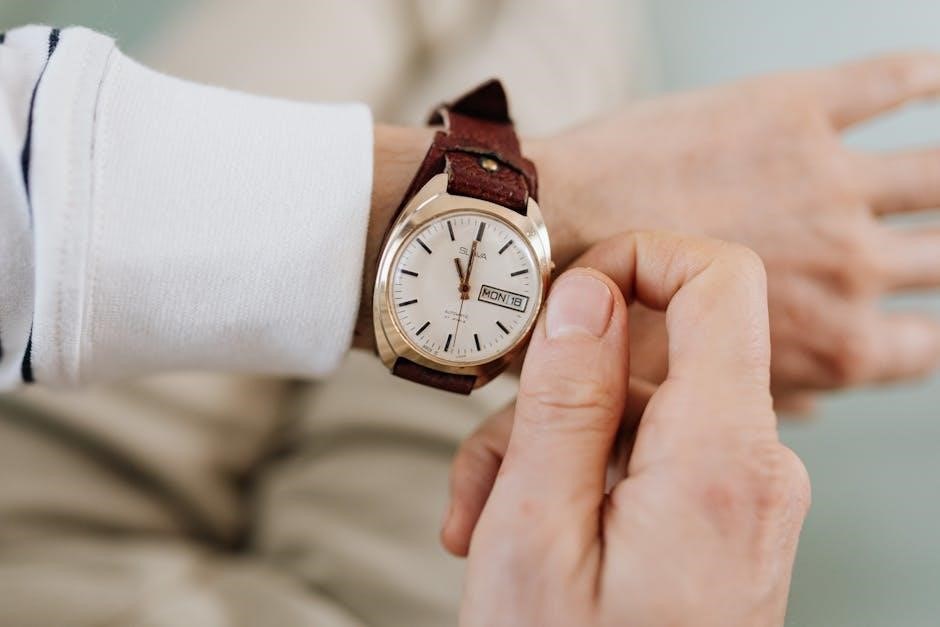
If your Invicta watch isn’t maintaining accurate time, several factors could be at play. For quartz movements, a low battery is the most common culprit; a replacement is usually necessary. With automatic watches, insufficient winding or inactivity can cause them to stop or run slow.
Ensure the watch is being worn regularly or utilize a watch winder. Magnetic fields can also affect accuracy, so keep your watch away from strong magnetic sources. If the problem persists after these checks, professional servicing might be required to diagnose and rectify any mechanical issues within the movement.
Consider environmental factors; extreme temperatures can temporarily impact timekeeping.
Condensation Under the Crystal
The appearance of condensation beneath the watch crystal typically indicates a breach in the water resistance seals. While Invicta watches boast varying degrees of water resistance, seals can degrade over time, especially with exposure to temperature fluctuations or harsh chemicals.
Do not attempt to disassemble the watch yourself; this will likely void the warranty and could cause further damage. Instead, immediately cease using the watch and seek professional service from an authorized Invicta repair center.
They can properly reseal the watch and restore its water resistance. Ignoring condensation can lead to internal corrosion and permanent damage to the movement.
Bracelet or Strap Problems
Issues with your Invicta’s bracelet or strap can range from loose links and broken clasps to material degradation. Many Invicta bracelets utilize friction pins or screw links; ensure these are securely fastened. If pins are loose, a watch repair tool can carefully tighten them, but avoid excessive force.
For straps, check the connection points to the watch case for wear or damage. Replacement straps are readily available, often directly from Invicta or third-party retailers.
Be aware that some users report issues with Invicta band quality, particularly with glue adhesion. If a strap detaches, professional reattachment is recommended to prevent further complications.
Chronograph Malfunctions
If your Invicta chronograph isn’t functioning correctly – stop/start buttons unresponsive, hands not resetting, or inaccurate timing – several issues could be present. First, ensure the chronograph is properly reset after each use. Repeatedly pressing the reset button while the chronograph is running can sometimes resolve minor glitches.
If the problem persists, the chronograph mechanism may require professional servicing. Avoid attempting self-repair, as this could cause further damage.
Check the battery (for quartz chronographs) or winding (for automatic chronographs) as insufficient power can affect functionality.
Invicta Watch History and Brand Overview
Invicta, with over a century of watchmaking, originated from Latin for “invincible,” known for quality construction and distinctive designs globally, especially in South America.
The Origins of Invicta: A Century of Timekeeping
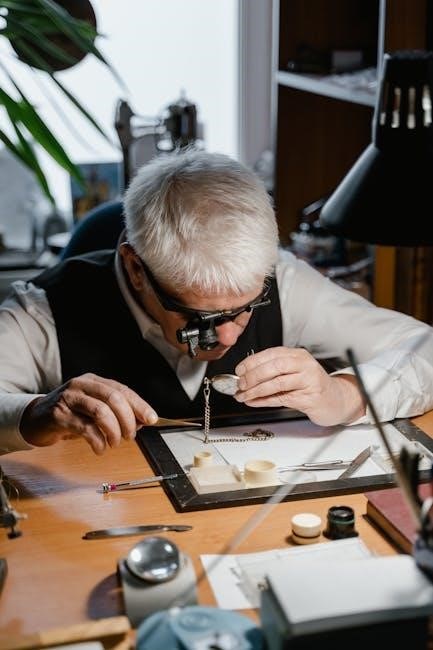
Founded in 1892 in La Chaux-de-Fonds, Switzerland, Invicta’s early history centered on crafting reliable timepieces; The name, derived from Latin meaning “invincible,” reflected the brand’s ambition for enduring quality. However, the company faced challenges during the Quartz Crisis of the 1970s, nearly ceasing operations.
Revitalized in the 1990s, Invicta underwent a significant transformation, adopting a bold marketing strategy and focusing on distinctive designs. This period saw the introduction of the popular “Pro Diver” collection and a surge in brand recognition, particularly within the American market. The company expanded its offerings, embracing both quartz and automatic movements, and establishing a strong online presence.
Today, Invicta continues to evolve, blending its heritage with contemporary aesthetics, offering a diverse range of watches for various tastes and budgets;
Invicta’s Presence in Global Markets
While originating in Switzerland, Invicta’s strongest market presence is demonstrably within the Americas, particularly in South American countries. The brand enjoys significant popularity in regions like Brazil and Argentina, appealing to a broad consumer base. Beyond the Americas, Invicta has established a foothold in warmer climates, including Turkey and Portugal, leveraging its accessible price points and diverse styles.
The brand’s distribution strategy heavily relies on online retail, notably Amazon, making its watches readily available globally. This digital approach complements its presence in brick-and-mortar stores across the United States and select international locations. Invicta’s marketing often targets value-conscious consumers seeking a stylish timepiece without a luxury price tag.
Expansion continues, with ongoing efforts to strengthen its brand recognition in emerging markets.
The “One Meter Rolex” Reputation
Invicta has garnered the somewhat playful nickname “One Meter Rolex,” stemming from its design aesthetics and marketing strategies. This moniker suggests a visual resemblance to Rolex watches, particularly the Submariner, but at a significantly lower price point. The implication is that from a distance, or for the less discerning eye, an Invicta can mimic the look of a luxury Rolex.
This reputation isn’t necessarily a criticism, but rather an acknowledgment of Invicta’s ability to offer a similar style at an accessible price. It’s a testament to their design choices and marketing positioning. However, it’s crucial to understand that Invicta watches differ substantially in terms of materials, movement, and overall craftsmanship compared to Rolex.
The nickname persists as a cultural reference within watch enthusiast communities.
Warranty Information and Support
Invicta provides warranties covering manufacturing defects; contact customer support for claims or authorized service center locations for repairs and assistance.
Understanding Your Invicta Warranty
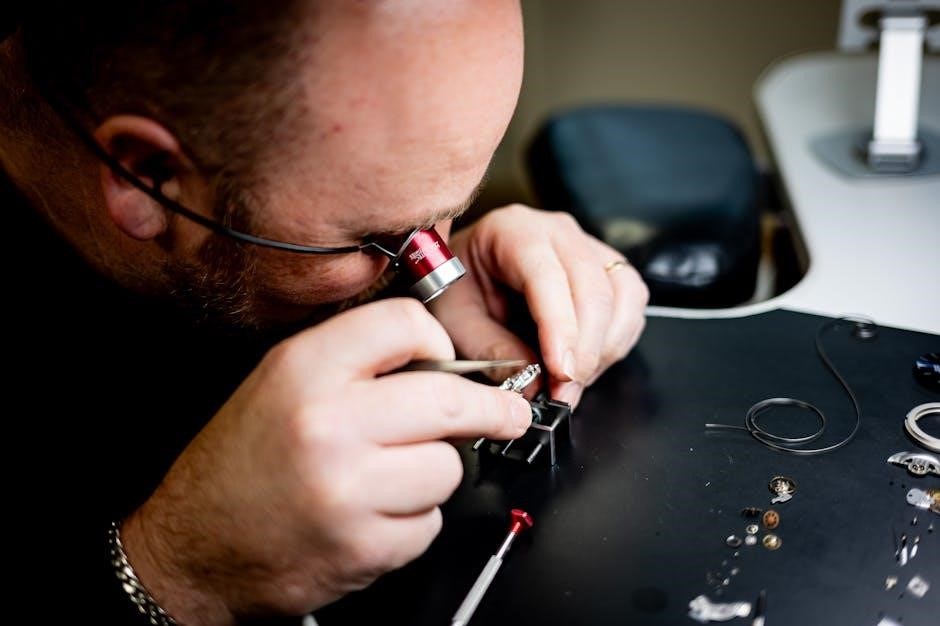
Your Invicta watch is covered by a limited warranty against defects in materials and workmanship under normal use for a specified period, typically one year from the date of purchase. This warranty does not cover damage resulting from accidents, misuse, or unauthorized repairs. It’s crucial to retain proof of purchase, as it’s required for any warranty claim.
The warranty covers movement malfunctions and manufacturing flaws in the case and bracelet. However, it generally excludes wear and tear, battery replacement (for quartz models), and water damage if the watch wasn’t used within its specified water resistance limits.
To initiate a warranty claim, you must contact Invicta customer support. They will guide you through the process and provide instructions for sending your watch for evaluation. Unauthorized attempts to repair the watch will void the warranty.
Contacting Invicta Customer Support
For assistance with your Invicta watch, several avenues of customer support are available. The primary method is through their official website, where you can find a comprehensive FAQ section addressing common issues and concerns. A dedicated contact form allows you to submit inquiries directly to their support team.
Alternatively, you can reach Invicta customer support via email or telephone. Response times may vary depending on the volume of inquiries. When contacting support, be prepared to provide your watch model number, purchase date, and a detailed description of the issue you are experiencing.
Locating your original purchase receipt is also highly recommended, as it may be required for warranty claims or other service requests. Their website provides updated contact information and support resources.
Finding Authorized Service Centers
For specialized repairs or maintenance beyond basic care, locating an authorized Invicta service center is crucial. Invicta maintains a network of certified technicians equipped to handle intricate watch servicing, ensuring the integrity of your timepiece. The official Invicta website features a “Service Center Locator” tool, allowing you to search for nearby authorized providers based on your location.
Using this tool requires your postal code or city and state. It’s important to utilize only authorized centers to avoid potential damage or voiding your warranty. These centers employ trained professionals with access to genuine Invicta parts.
Contact the service center directly to inquire about their specific services, pricing, and estimated turnaround times before sending your watch for repair.